
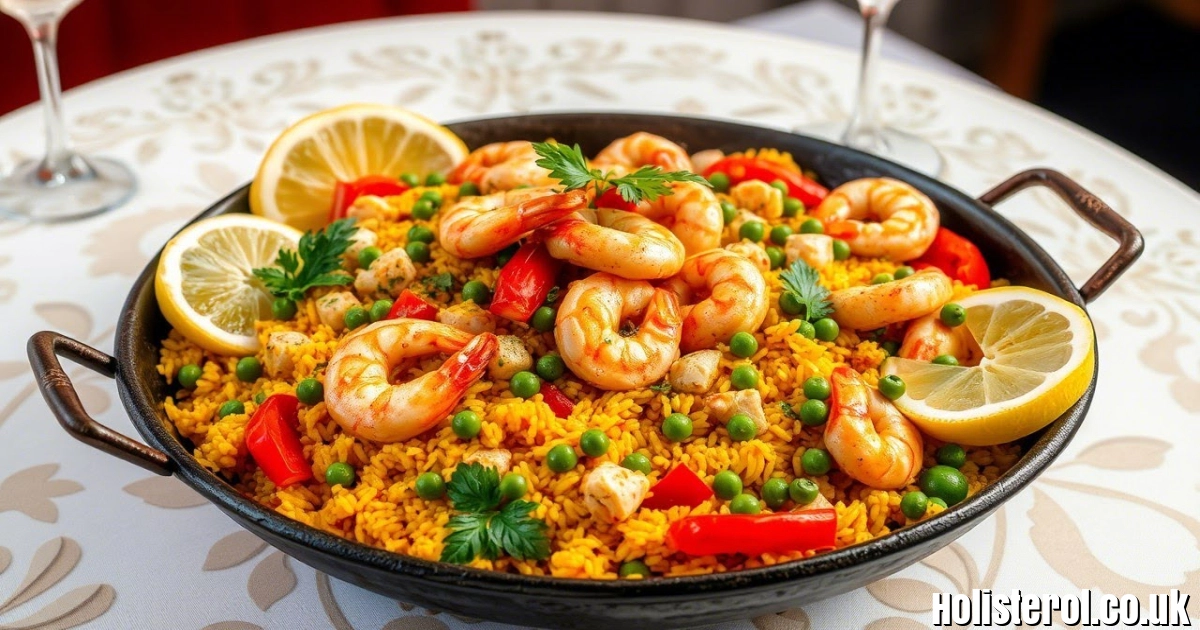
“pellela” in the UK, chances are you meant paella — the iconic Spanish rice dish pronounced pah-EH-yah. It’s one of the most searched Mediterranean dishes in Britain, and in 2026, it’s more popular than ever. From London tapas bars to Tesco ready meals, from summer BBQs in Manchester to wedding catering in Cornwall, paella has become a staple of British dining culture.
But here’s the thing — while many people in the UK love paella, very few truly understand what makes it authentic. Is chorizo allowed? Should you stir the rice? What exactly is socarrat? And why do Valencians argue so fiercely about ingredients?
This comprehensive UK-focused guide explains everything — the origins, authentic elements, popular UK variations, supermarket options, home cooking methods, and where to eat the best paella in Britain.
1. What Is Pellela (Paella)? Origins & Meaning
The word paella doesn’t actually refer to the rice dish itself — it originally referred to the pan used to cook it. The name comes from the Latin patella (meaning pan), evolving through Old French and Valencian into paella. Over time, the dish and the pan became inseparable.
Paella originated in the Valencian region of Spain as a humble farmers’ meal cooked over an open fire. Agricultural workers would combine rice with whatever ingredients were available — typically chicken, rabbit, local beans, and sometimes snails — cooking everything slowly in a wide, shallow pan over wood embers. The result was simple, hearty, and communal.
The defining characteristic? Short-grain rice cooked in a wide pan without stirring, allowing liquid to evaporate evenly and creating a prized crispy bottom layer called socarrat.
In the UK, paella first gained mainstream popularity in the late 20th century as Mediterranean travel increased. Today, Spanish cuisine — especially tapas and paella — is deeply embedded in British food culture. According to UK hospitality trends, Spanish restaurants consistently rank among the most popular European cuisines in major cities.
Still, there’s often confusion. Many UK versions mix seafood and chorizo, which would horrify traditional Valencians. But food evolves, and Britain has created its own paella identity.
2. Types of Paella Popular in the UK
Not all paella is created equal. In Spain, there are strict definitions. In the UK, flexibility reigns. Let’s break down the most common types you’ll encounter across Britain.
Paella Valenciana (The Original)
This is considered the authentic paella by Valencians. It traditionally includes:
-
Chicken
-
Rabbit
-
White and green beans
-
Artichokes
-
Tomato-based sofrito
-
Saffron-infused short-grain rice (usually Bomba or Calasparra)
No seafood. No chorizo. Ever.
In the UK, authentic Valencian paella is harder to find but available at high-end Spanish restaurants, particularly in London establishments like Barrafina or Brindisa.
Seafood Paella (Paella de Mariscos)
This is arguably the most popular version in the UK. It typically includes:
-
Prawns
-
Mussels
-
Clams
-
Squid
-
Monkfish or white fish
Given Britain’s strong seafood supply chain, this version thrives in coastal towns and urban tapas bars. It’s vibrant, aromatic, and visually dramatic — often topped with whole shell-on prawns.
Paella Mixta (Mixed Paella)
This is the UK pub favourite. It combines:
-
Chicken
-
Chorizo
-
Seafood
Purists criticise it, but it dominates supermarket shelves and casual eateries. Chains and gastro-pubs across the UK frequently feature this version because it appeals to broad tastes.
Vegetable & Vegan Paella
With plant-based diets growing rapidly in Britain, vegan paella is increasingly common. Expect:
-
Peppers
-
Artichokes
-
Mushrooms
-
Green beans
-
Peas
The key challenge is achieving deep flavour without meat or seafood — something accomplished through smoked paprika, quality olive oil, and strong vegetable stock.
3. Essential Ingredients & Authentic Cooking Elements
If you want paella that rivals Spanish kitchens, understanding the fundamentals is non-negotiable.
The Rice Matters More Than You Think
True paella uses short- or medium-grain rice, especially Bomba rice, prized for absorbing liquid without turning mushy. Arborio (risotto rice) is sometimes used in UK homes, but it’s not ideal. Bomba is now widely available in UK supermarkets and Spanish delis like Brindisa.
Sofrito: The Flavour Base
Every great paella begins with a slow-cooked sofrito — onion, garlic, tomatoes, peppers, and paprika gently reduced until rich and concentrated. Rushing this step weakens the entire dish.
Saffron: The Golden Thread
Authentic paella uses saffron, which gives its signature golden hue and delicate aroma. Because saffron is expensive, some UK ready meals use turmeric for colour, but the flavour difference is noticeable.
Socarrat: The Holy Grail
The crispy caramelised layer at the bottom — socarrat — is highly prized. In Spain, people literally argue over it. Achieving socarrat requires:
-
No stirring after adding stock
-
Proper heat control
-
A wide, shallow pan
The Pan (Paellera)
The traditional paellera ensures even cooking. In the UK, they’re available from Lakeland, Amazon, and specialist retailers like The Paella Company. Sizes range from small family pans to massive catering pans serving 100+ guests.
4. Paella in UK Restaurants, Supermarkets & Events (2026 Trends)
Paella isn’t just a dish in Britain — it’s an experience.
Restaurants & Tapas Bars
Cities like London, Manchester, Birmingham, and Edinburgh boast thriving Spanish dining scenes. Restaurants such as:
-
Barrafina
-
José Pizarro
-
Brindisa
-
Independent tapas bars nationwide
often feature seafood or seasonal paella specials.
Supermarket Options
Major UK supermarkets stock:
-
Fresh ready meals
-
Frozen paella trays
-
Paella cooking kits
Retailers like Tesco, Sainsbury’s, Waitrose, and M&S frequently offer chicken & chorizo or seafood versions. Prices typically range from £4 to £8 for ready meals.
Outdoor Catering & Festivals
Large-scale paella catering is hugely popular at:
-
Weddings
-
Corporate events
-
Food festivals
-
Summer fairs
Massive pans cooking over gas burners create visual theatre, making paella ideal for communal dining.
5. How to Make Authentic Paella at Home (UK-Friendly Recipe)
Making paella at home in Britain is easier than many think.
Ingredients (Serves 4–6)
-
300g Bomba or paella rice
-
4 chicken thighs
-
200g chorizo
-
1 onion
-
1 red pepper
-
3 garlic cloves
-
400g chopped tomatoes
-
1L chicken stock
-
Pinch saffron
-
Handful peas
Method
-
Heat olive oil in a wide pan. Brown chicken and chorizo; remove.
-
Cook onion, pepper, and garlic. Add paprika and tomatoes; simmer 5–10 minutes for sofrito.
-
Stir in rice to coat. Add saffron-infused stock. Return meat.
-
Simmer 18–25 minutes without stirring. Add peas near the end.
-
Increase heat briefly to form socarrat. Rest 5 minutes.
No lid. No stirring. Trust the process.
6. Tips for UK Cooks & Common Mistakes to Avoid
Cooking paella in the UK comes with unique considerations.
Common Mistakes
-
Using risotto rice without adjusting liquid
-
Stirring like risotto
-
Overloading with ingredients
-
Covering with a lid
Paella is not creamy — it should be dry and separated.
Pro Tips for Better Results
-
Use a large frying pan or wok if no paellera
-
Cook outdoors on a gas burner for authenticity
-
Let it rest before serving
-
Finish with fresh lemon
Paella thrives in social settings. It’s perfect for British summer BBQs, where guests gather around the pan much like in Valencia centuries ago.
Conclusion
In the UK, “pellela” almost certainly means paella, and paella has firmly established itself as one of Britain’s favourite imported dishes. From authentic Paella Valenciana to pub-style chicken and chorizo mixes, from supermarket trays to wedding-sized pans, it’s everywhere.
Understanding the fundamentals — short-grain rice, proper sofrito, saffron, no stirring, and socarrat — transforms an average dish into something extraordinary. Whether you’re dining at a top London tapas bar or cooking at home in Leeds, paella offers warmth, colour, and communal joy.
Few dishes bring people together quite like paella. And in 2026 Britain, it’s not just Spanish anymore — it’s part of UK food culture.
FAQs About Pellela (Paella) in the UK
1. Is chorizo authentic in paella?
Not in traditional Valencian paella, but it’s very common in UK versions.
2. What rice should I use in the UK?
Use Bomba or Calasparra rice for best results.
3. Why shouldn’t you stir paella?
Stirring prevents the formation of socarrat and changes texture.
4. Where can I buy paella ingredients in the UK?
Major supermarkets and Spanish delis like Brindisa stock authentic ingredients.
5. Can I cook paella without a paella pan?
Yes — use a large, wide frying pan, but ensure even heat distribution.
