
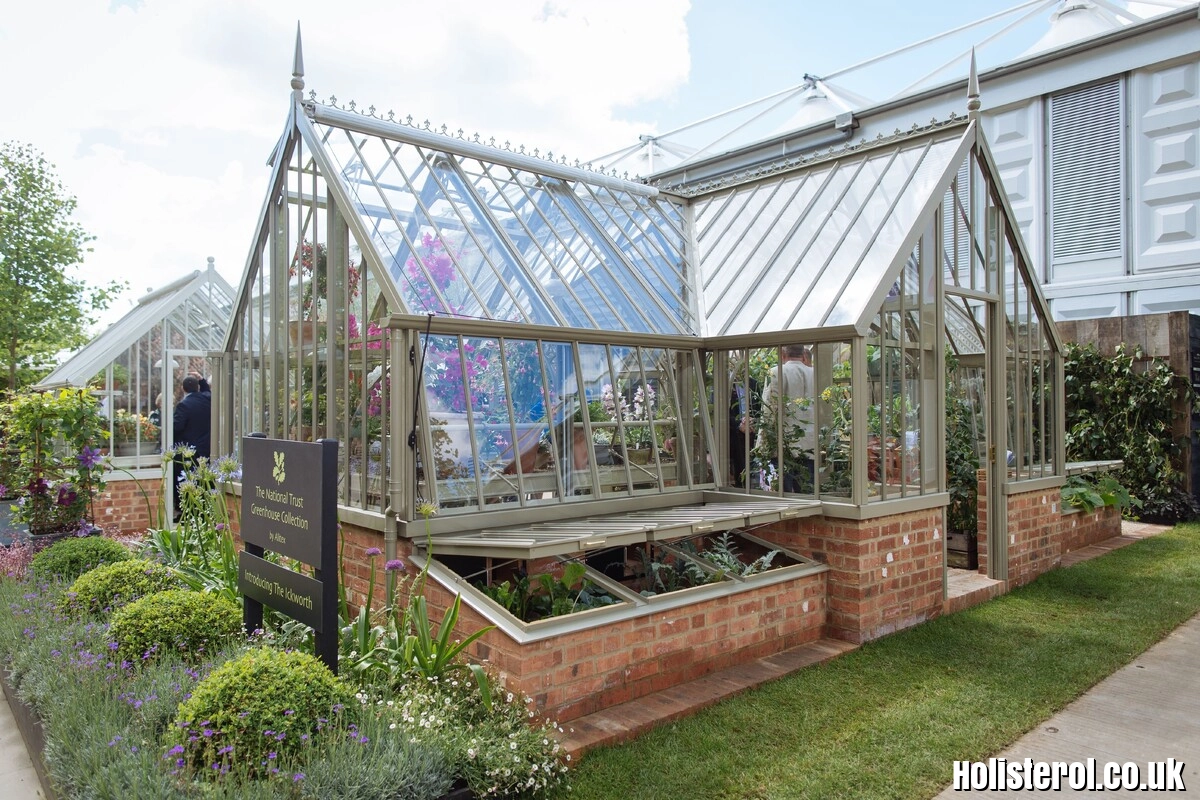
In 2026, “Genhouse” is often used online as a simplified or stylized reference to a greenhouse, a specialized structure designed to create a controlled environment for plant growth. Greenhouses play a crucial role in modern agriculture and home gardening by allowing plants to grow in conditions that would otherwise be unsuitable due to climate limitations.
A greenhouse (or genhouse) typically features transparent walls and roofing made from glass, polycarbonate panels, or plastic film, allowing sunlight to enter while trapping heat inside. This environment supports year-round cultivation of vegetables, fruits, herbs, and ornamental plants, making greenhouses widely used across the United States.
This detailed 2026 guide explains the history, types, benefits, setup process, and maintenance of greenhouses, particularly in the US context.
1. What Is a Genhouse (Greenhouse)?
Genhouse: A greenhouse is a structure designed to control environmental conditions such as temperature, humidity, and light for optimal plant growth. The greenhouse effect inside the structure occurs when sunlight enters through transparent materials and becomes trapped as heat, creating a warmer internal climate.
Common Materials Used in Greenhouses
Most modern greenhouses use materials such as:
-
Glass panels – traditional and highly transparent
-
Polycarbonate sheets – durable and insulated
-
Polyethylene plastic film – affordable and flexible
These materials allow maximum sunlight while maintaining warmth.
Key Features of Modern Greenhouses
Modern greenhouses may include:
-
Automated ventilation systems
-
Heating and cooling controls
-
CO₂ enrichment systems
-
Hydroponic irrigation setups
-
Computer-controlled climate monitoring
In the United States, greenhouses range from small backyard hobby structures to massive commercial facilities covering several acres.
2. History of Greenhouses in the United States
Ancient Origins
The idea of greenhouse cultivation dates back to Ancient Rome around 30 CE, where gardeners grew cucumbers year-round for Emperor Tiberius using movable plant carts covered with translucent materials.
Development in Europe and Asia
Greenhouse technology evolved in several regions:
-
15th century Korea: Heated greenhouses using traditional ondol floor heating
-
17th century Europe: Early glasshouses appeared among royal gardens
-
1681 UK: First recorded artificially heated greenhouse
Greenhouses in Early America
Greenhouses arrived in the US during the colonial era.
Important milestones include:
-
1737: The first known American greenhouse built in Boston by Andrew Faneuil
-
1784: George Washington constructed a greenhouse at Mount Vernon
-
19th century: Victorian glasshouses became popular among wealthy estates
By the 1960s, innovations such as polyethylene hoop houses dramatically reduced greenhouse costs, enabling wider agricultural use.
Today, famous US greenhouse structures include:
-
The Climatron in Missouri Botanical Garden
-
Large geothermal greenhouses in cold states like Colorado and Alaska
3. Types of Greenhouses Used in the US
Greenhouses vary depending on size, design, materials, and purpose.
Cold Frames
Small portable mini-greenhouses used by home gardeners.
Best for:
-
early seed starting
-
protecting seedlings
Hoop Houses (High Tunnels)
Affordable structures made from:
-
metal or PVC hoops
-
polyethylene covering
These are extremely popular among small US farms and backyard gardeners.
Glasshouses
Traditional greenhouses made entirely from glass panels.
Advantages:
-
maximum sunlight transmission
-
long lifespan
However, they can be expensive to build and maintain.
Polycarbonate Greenhouses
These modern greenhouses use multi-wall polycarbonate sheets, offering:
-
excellent insulation
-
UV protection
-
strong durability
They are among the most popular greenhouse types in the US today.
Commercial Gutter-Connected Greenhouses
Large agricultural operations often use gutter-connected greenhouses, which link multiple greenhouse bays into one structure.
Benefits include:
-
shared heating systems
-
efficient irrigation
-
large-scale crop production
These are common in commercial vegetable and flower production.
4. Benefits of Greenhouses in the United States
Greenhouses provide several advantages for both home gardeners and commercial growers.
Extended Growing Seasons
Greenhouses allow crops to grow year-round, even in cold states such as:
-
Michigan
-
Minnesota
-
New York
Higher Crop Yields
Controlled conditions allow plants to grow faster and healthier.
Studies show:
-
CO₂ enrichment can increase yields by up to 30%
-
controlled irrigation reduces water waste
Protection from Weather and Pests
Greenhouses protect crops from:
-
frost
-
strong winds
-
heavy rain
-
pests and insects
This makes them ideal for growing delicate or exotic plants.
Economic Impact
The US greenhouse industry is worth over $3 billion annually, with approximately 14,000 acres of greenhouse-covered farmland producing crops such as:
-
tomatoes
-
cucumbers
-
herbs
-
ornamental flowers
5. How to Build a Greenhouse (Step-by-Step Guide)
Building a greenhouse requires careful planning.
Step 1 – Choose the Right Location
The ideal greenhouse location should:
-
receive maximum sunlight
-
have good drainage
-
face south for optimal light exposure
Step 2 – Prepare the Foundation
Common greenhouse foundations include:
-
concrete slabs
-
gravel bases
-
treated wooden frames
A strong foundation ensures long-term structural stability.
Step 3 – Build the Frame
Frames are typically made from:
-
aluminum
-
galvanized steel
-
PVC pipes
Hoop structures are commonly used for DIY setups.
Step 4 – Install the Covering
Choose between:
-
glass panels
-
polycarbonate sheets
-
polyethylene film
The covering determines insulation and durability.
Step 5 – Add Climate Control Systems
Essential greenhouse systems include:
-
ventilation fans
-
heating units
-
irrigation systems
-
humidity controls
Advanced commercial setups may also include automated climate software.
6. Maintenance, Challenges & Long-Term Results
Daily and Weekly Maintenance
To maintain a healthy greenhouse environment:
-
monitor temperature and humidity
-
ventilate regularly
-
inspect for pests
-
clean transparent panels
Seasonal Maintenance
In winter:
-
add insulation
In summer:
-
install shade cloth
Plastic coverings should typically be replaced every 3–5 years.
Challenges and Drawbacks
While greenhouses offer many benefits, they also have challenges:
-
high initial construction costs
-
energy expenses for heating
-
risk of overheating without ventilation
-
disease spread in enclosed environments
However, modern sustainable solutions such as solar-powered greenhouses and geothermal heating are helping reduce these issues.
Conclusion
The genhouse (greenhouse) remains one of the most effective agricultural innovations for controlled plant cultivation. From ancient Roman gardening techniques to advanced climate-controlled facilities in the United States, greenhouses have transformed how crops are grown.
In 2026, greenhouses continue to support year-round farming, increased food production, and sustainable gardening practices. Whether used in small backyard gardens or massive commercial farms, they provide an efficient way to grow plants in nearly any climate.
With proper design, maintenance, and environmental management, a greenhouse can last 10–30 years or more, delivering consistent harvests and contributing to the future of modern agriculture.
Frequently Asked Questions (FAQs)
1. What is the main purpose of a greenhouse?
A greenhouse creates a controlled environment that allows plants to grow in optimal temperature, humidity, and light conditions.
2. How much does a greenhouse cost in the US?
Small backyard greenhouses typically cost $500–$5,000, while commercial structures may exceed $10,000 or more.
3. Can greenhouses grow food year-round?
Yes. With proper heating and lighting, greenhouses can produce crops throughout the year.
4. How long does a greenhouse last?
Most greenhouses last 10–30 years, depending on materials and maintenance.
5. What crops grow best in greenhouses?
Common greenhouse crops include tomatoes, cucumbers, peppers, herbs, lettuce, and flowers.
