
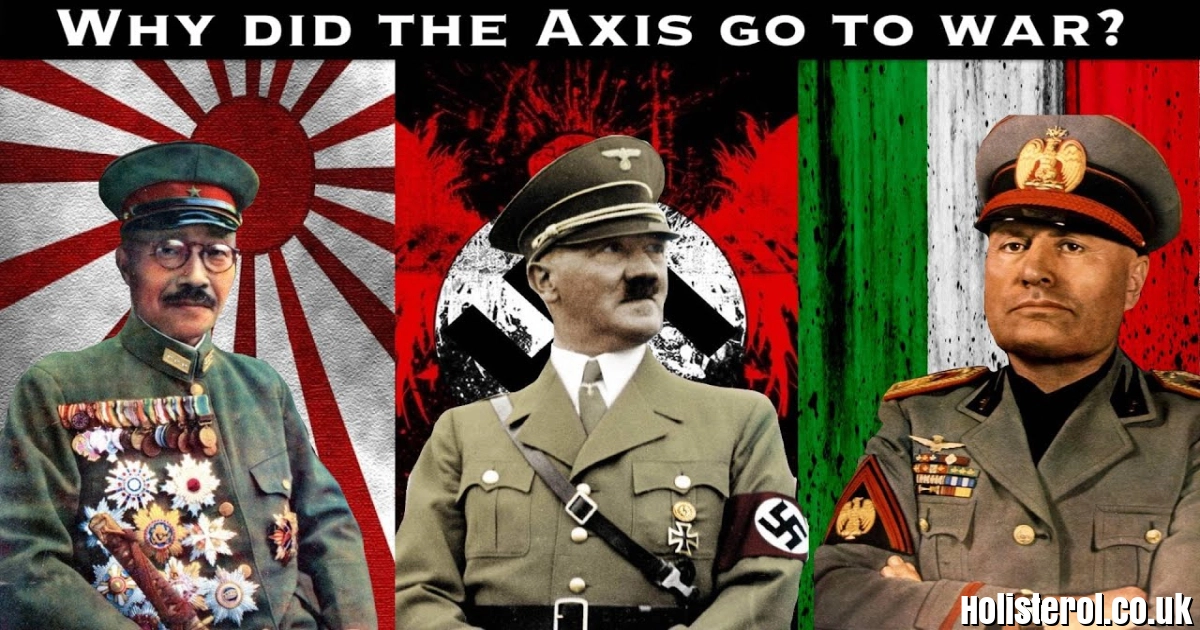
Fascisterne refers to followers of fascism, a far-right political ideology that emerged in Europe in the early 20th century. Fascism is commonly associated with authoritarian rule, ultranationalism, and strict control over society. The ideology is most closely linked to Benito Mussolini, who founded the fascist movement in Italy after World War I.
Fascism had a profound influence on European politics between the 1920s and 1940s, shaping governments, political movements, and ultimately contributing to the events surrounding World War II. Understanding fascisterne (the fascists) requires examining their ideology, historical origins, political structure, and lasting global impact.
Table of Contents
Toggle1. What Does “Fascisterne” Mean?
Fascisterne literally means “the fascists”, referring to individuals who support or belong to fascist movements or political parties.
Origins of the Word Fascism
The word fascism comes from the Italian term “fascio,” meaning a bundle or group. It also relates to the Roman symbol called the “fasces,” a bundle of rods tied around an axe that symbolized authority and unity in ancient Rome.
Fascist movements used this symbol to represent:
-
strength through unity
-
state authority
-
national power
Early Fascist Movement
The first organized fascist movement was founded in 1919 by Benito Mussolini in Italy, shortly after the end of World War I.
2. Key Ideological Principles of Fascism
Fascism is defined by several core political beliefs that distinguish it from other ideologies.
Extreme Nationalism
One of the central elements of fascism is ultranationalism, which emphasizes the superiority and unity of the nation.
Fascists promote ideas such as:
-
strong national identity
-
loyalty to the state
-
rejection of external influences
This often creates an “us versus them” mentality, targeting groups perceived as threats to national unity.
Authoritarian Leadership
Fascist systems rely heavily on strong central leadership, often centered around a single powerful leader.
Under fascism, the leader is typically portrayed as:
-
the symbol of the nation
-
the ultimate decision-maker
-
the defender of national interests
This structure reduces democratic participation and concentrates power at the top.
3. Rise of Fascism in Italy
The rise of fascism in Italy was closely tied to the political and economic turmoil following World War I.
Post-War Crisis
After the war, Italy faced major problems including:
-
economic instability
-
unemployment
-
social unrest
Many citizens lost faith in traditional democratic institutions, which created opportunities for radical political movements like fascism.
The March on Rome
In October 1922, Mussolini organized the famous March on Rome, where thousands of fascist supporters demanded political power.
As a result, Mussolini was appointed Prime Minister of Italy, marking the beginning of fascist rule.
4. Fascist Government and Political Control
Once in power, fascist regimes transformed political systems into authoritarian states.
One-Party Rule
Fascist governments typically eliminate political competition by establishing single-party systems.
In Italy, the National Fascist Party (Partito Nazionale Fascista) became the only legal political party.
Propaganda and Censorship
Fascist regimes heavily relied on propaganda to influence public opinion.
Governments controlled:
-
newspapers
-
radio broadcasts
-
education systems
These tools were used to promote national pride and loyalty to the regime.
5. Use of Violence and Political Suppression
Fascist movements often relied on violence and intimidation to eliminate opposition.
Paramilitary Groups
In Italy, fascists used groups known as “Blackshirts” (Squadristi).
These paramilitary forces attacked political opponents such as:
-
socialists
-
communists
-
labor activists
Their actions helped suppress resistance and strengthen fascist control.
Suppression of Dissent
Under fascist rule, political freedom was severely limited.
Governments used:
-
censorship
to silence critics and maintain power.
6. Decline of Fascist Regimes
Fascist rule eventually collapsed during World War II.
Fall of Mussolini
By 1943, Allied forces had invaded Italy, and Mussolini was removed from power.
Although he briefly led a German-supported regime in northern Italy, fascism effectively ended when World War II concluded in 1945.
Legacy of Fascism
The impact of fascism continues to be studied by historians and political scientists.
The ideology is often examined to understand:
-
the dangers of authoritarian governments
-
the role of nationalism in politics
-
the historical causes of global conflict
Conclusion
Fascisterne, or the fascists, played a major role in shaping European political history during the 20th century. Emerging from post-World War I turmoil, fascism promoted ultranationalism, authoritarian leadership, and total state control. Under leaders like Benito Mussolini, fascist regimes transformed democratic societies into centralized dictatorships.
Although fascist governments ultimately collapsed during World War II, their influence remains an important subject in modern political studies. Understanding the history and ideology of fascisterne helps provide insight into the complex forces that shaped modern global politics.
