
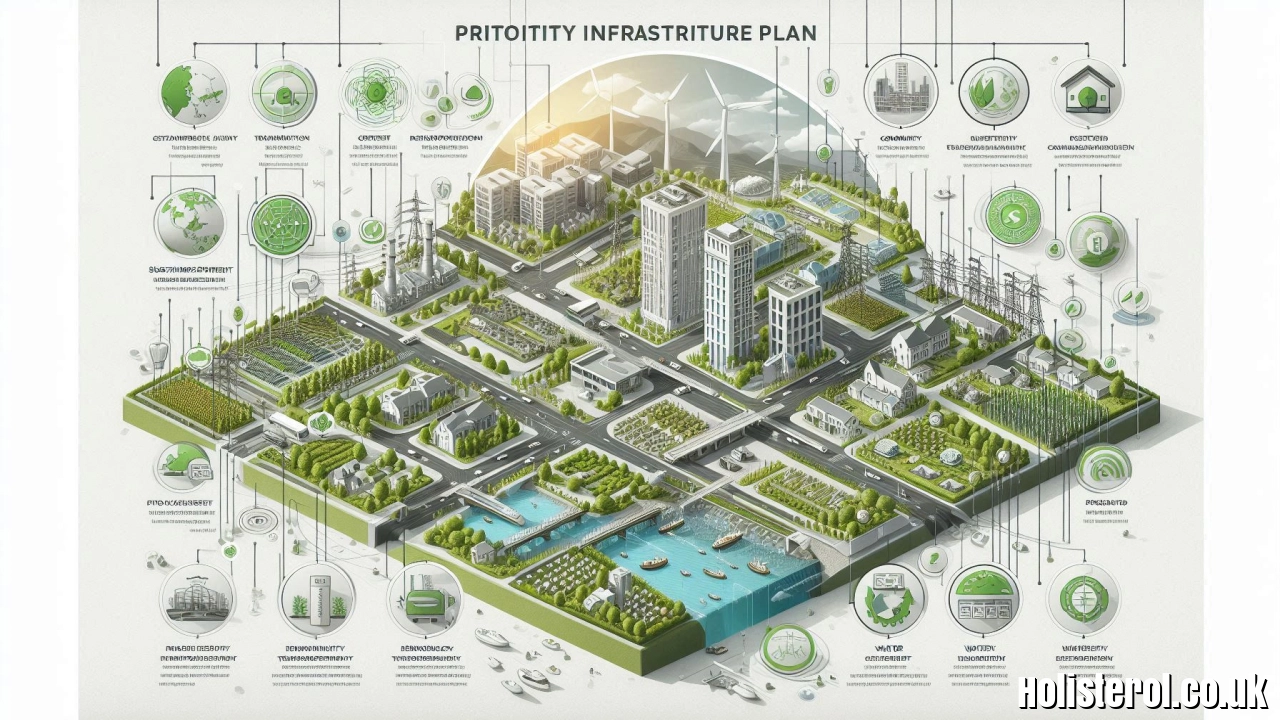
A Priority Infrastructure Plan (PIP) is a long-term strategic framework used by governments and planning authorities to identify, prioritize, and deliver essential infrastructure projects. These plans focus on transport systems, water supply, energy networks, digital connectivity, and public facilities that support urban growth and economic development. By coordinating land-use planning with infrastructure investment, a PIP ensures that cities expand in an organized and sustainable way.
In 2026, governments around the world are increasingly using Priority Infrastructure Plans to address population growth, urban expansion, and climate challenges. By focusing on critical infrastructure needs, these plans help allocate limited budgets more efficiently while ensuring communities receive essential services.
1. What Is a Priority Infrastructure Plan?
A Priority Infrastructure Plan is a strategic planning document that outlines which infrastructure projects should be built first and why they are important. It is commonly used by local councils, regional governments, and national infrastructure authorities.
The main goal of a PIP is to ensure that core infrastructure—often called “trunk infrastructure”—is delivered at the right time to support development. Trunk infrastructure refers to major systems that serve large populations, such as:
-
Highways and public transport networks
-
Water supply and wastewater systems
-
Energy and power infrastructure
-
Digital communication networks
Without proper planning, rapid urban growth can lead to traffic congestion, water shortages, and overloaded public services. A Priority Infrastructure Plan helps prevent these problems by forecasting future demand and scheduling projects accordingly.
2. Key Components of a Priority Infrastructure Plan
A well-developed Priority Infrastructure Plan contains several important elements that guide infrastructure development over time.
Planning Assumptions
Planning assumptions outline expected population growth, housing demand, and economic activity. These assumptions help planners estimate the amount of infrastructure required in the future.
Infrastructure Networks
The plan identifies critical infrastructure systems that must be developed or expanded. These often include:
-
Transportation networks such as roads, rail, and freight corridors
-
Water and wastewater infrastructure
-
Energy and power distribution systems
-
Public facilities and community services
Project Sequencing
Another key component is prioritization, which determines the order in which projects should be built. Projects are ranked based on economic benefits, community needs, and environmental impact.
3. Priority Infrastructure Areas (PIAs)
One of the most important concepts in a Priority Infrastructure Plan is the Priority Infrastructure Area (PIA).
A PIA identifies specific geographic areas where urban development should be concentrated because infrastructure already exists or can be efficiently provided. These areas help planners control urban expansion and avoid urban sprawl.
Benefits of Priority Infrastructure Areas
PIAs provide several advantages for cities and communities:
-
Efficient infrastructure investment
-
Reduced development costs
-
Improved access to services
-
Better urban planning outcomes
For example, if a city already has water, electricity, and road access in a particular zone, planners may designate it as a Priority Infrastructure Area to encourage residential or commercial development.
4. Funding and Infrastructure Charges
Infrastructure projects often require significant financial investment, making funding one of the biggest challenges in implementing a Priority Infrastructure Plan.
Many governments use infrastructure charges to help fund these projects. These charges are typically applied to new developments and are used to cover the cost of building essential services such as roads and utilities.
Common Funding Sources
Priority infrastructure projects are often financed through a combination of:
-
Government budgets
-
Development contributions
-
Public-private partnerships (PPPs)
-
Infrastructure investment funds
These funding mechanisms ensure that rapid development does not overwhelm existing infrastructure systems.
5. Real-World Examples of Priority Infrastructure Plans
Many countries have implemented Priority Infrastructure Plans to support long-term economic growth. One notable example is the 2026 Infrastructure Priority List published by Infrastructure Australia.
This list identifies projects that are expected to deliver high economic productivity and national benefits.
Examples of Priority Projects
Some of the most common projects highlighted in infrastructure priority plans include:
-
High-capacity freight corridors
-
Major port expansions
-
Renewable energy transmission networks
-
Urban rail and rapid transit systems
-
Smart city digital infrastructure
These projects are selected because they provide long-term economic value and support population growth.
6. Benefits and Challenges of Priority Infrastructure Planning
A Priority Infrastructure Plan provides many advantages for governments and communities, but implementing such plans also comes with challenges.
Key Benefits
Priority infrastructure planning can deliver several major benefits:
-
Economic growth through improved transport and logistics networks
-
Better quality of life with reliable public services
-
Sustainable urban development that reduces environmental impact
-
Efficient use of government funding
By strategically planning infrastructure investments, cities can avoid costly mistakes and improve long-term resilience.
Common Challenges
However, several obstacles may affect the success of a PIP:
-
Environmental compliance requirements
-
Political and budget constraints
Despite these challenges, Priority Infrastructure Plans remain one of the most effective tools for guiding sustainable development. As urban populations continue to grow in 2026 and beyond, governments increasingly rely on these plans to ensure infrastructure keeps pace with demand while promoting economic prosperity and environmental sustainability.
