
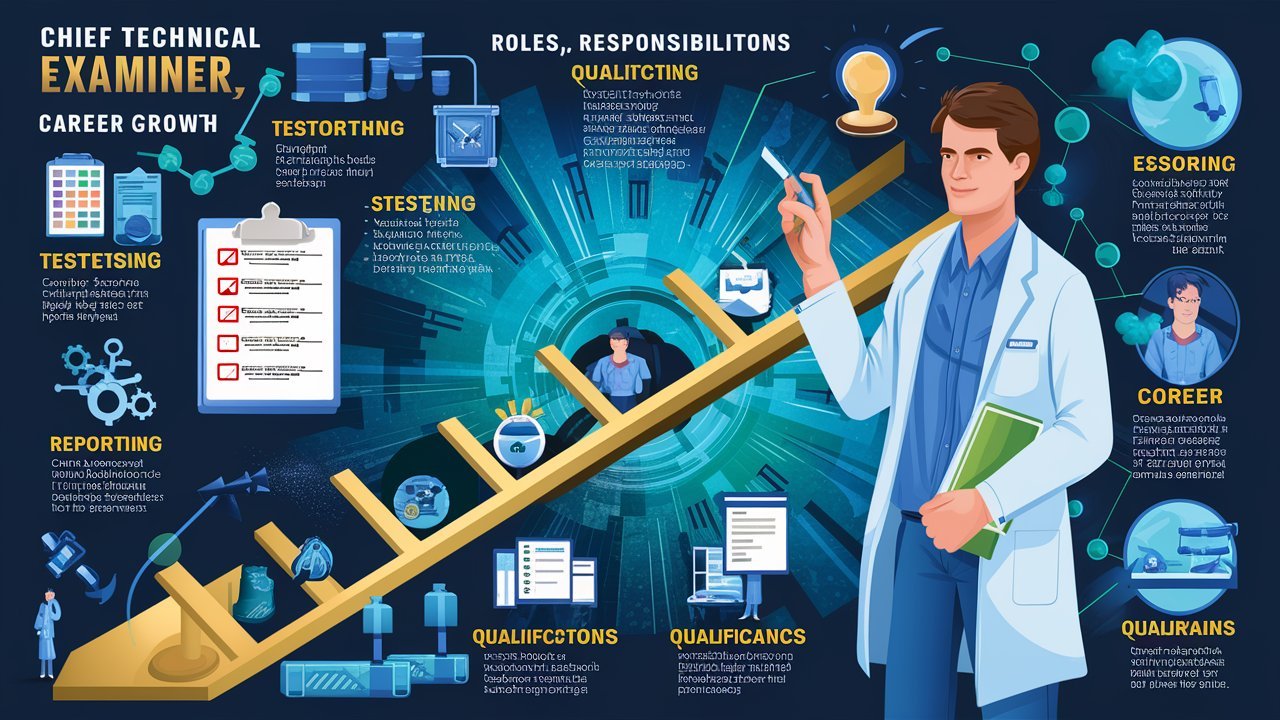
The role of a Chief Technical Examiner is one of the most critical positions within technical education boards, regulatory authorities, professional certification bodies, and government departments. A Chief Technical Examiner is responsible for ensuring quality control, maintaining examination integrity, supervising technical assessments, and upholding professional standards across various disciplines. Whether in engineering, vocational training, industrial safety, or public sector oversight, the Chief Technical Examiner acts as the guardian of technical accuracy and compliance. In an increasingly technology-driven world where certifications and standards shape careers and industries, this leadership role has become more vital than ever before.
The position demands not only deep technical knowledge but also strong administrative, analytical, and ethical capabilities. A Chief Technical Examiner must bridge the gap between policy and practice, ensuring that technical examinations are fair, transparent, and aligned with industry expectations. Their decisions often influence professional licensing, academic progression, and workforce quality, making their responsibilities both impactful and far-reaching.
Role of a Chief Technical Examiner
The Role of a Chief Technical Examiner extends beyond simply overseeing examinations. This professional is typically responsible for designing examination frameworks, approving technical question papers, supervising evaluation processes, and ensuring that assessment standards meet regulatory requirements. In many institutions, the Chief Technical Examiner leads a team of subject matter experts who prepare examination materials and monitor technical evaluations.
Furthermore, the Chief Technical Examiner ensures that examination procedures comply with national or organizational policies. They may also coordinate with external examiners, accreditation bodies, and government agencies to maintain consistency in standards. In technical institutions, this role includes reviewing curriculum updates, recommending improvements in assessment techniques, and integrating new technologies into examination systems. Ultimately, the Chief Technical Examiner ensures credibility, reliability, and fairness in technical assessments.
Responsibilities of Chief Technical Examiner
The Responsibilities of Chief Technical Examiner are diverse and multifaceted. One of the primary duties is maintaining examination integrity. This includes preventing malpractice, ensuring secure handling of confidential documents, and implementing strict monitoring systems. The Chief Technical Examiner often supervises moderation processes to ensure fairness in grading and consistency in evaluation.
In addition to administrative oversight, they are responsible for reviewing technical content for accuracy and relevance. They must verify that examination questions reflect current industry standards and technological advancements. This requires continuous professional development and awareness of emerging trends. Another significant responsibility includes investigating discrepancies, resolving disputes related to technical assessments, and submitting detailed reports to higher authorities. In many government departments, the Chief Technical Examiner may also conduct audits, inspections, and compliance reviews to ensure transparency and accountability.
Qualifications and Skills Required for Chief Technical Examiner
The Qualifications and Skills Required for Chief Technical Examiner typically include an advanced degree in a technical discipline such as engineering, information technology, applied sciences, or a related field. Most organizations require significant professional experience, often ranging from 10 to 20 years in technical or academic roles. Experience in examination management or quality assurance is also highly valued.
Beyond academic credentials, a Chief Technical Examiner must possess strong leadership abilities, analytical thinking, and exceptional attention to detail. Communication skills are essential, as the role involves coordinating with educators, engineers, administrators, and regulatory officials. Ethical judgment is equally important because the position demands strict confidentiality and impartial decision-making. Familiarity with digital assessment systems, data analysis tools, and quality management frameworks further strengthens a candidate’s suitability for this leadership position.
Chief Technical Examiner in Government and Regulatory Bodies
The Chief Technical Examiner in Government and Regulatory Bodies plays a particularly influential role in maintaining national standards. In many countries, government departments appoint Chief Technical Examiners to oversee public sector technical audits, engineering inspections, and infrastructure evaluations. For example, in countries like India and Pakistan, such positions are often associated with public works departments, anti-corruption agencies, and vocational education boards.
Within regulatory frameworks, the Chief Technical Examiner ensures that projects meet safety, quality, and compliance requirements. They may examine engineering contracts, inspect large-scale infrastructure developments, and assess procurement processes for transparency. Their findings often contribute to policy decisions and governance reforms. This role thus becomes a cornerstone of accountability and technical excellence in the public sector.
Career Path and Growth Opportunities for Chief Technical Examiner
The Career Path and Growth Opportunities for Chief Technical Examiner typically begin with technical specialization in engineering, inspection, academic instruction, or quality control. Professionals often start as technical officers, senior engineers, examiners, or lecturers before progressing to supervisory and leadership roles. Over time, with experience and professional recognition, they may be appointed as Deputy Technical Examiner or eventually Chief Technical Examiner.
Career growth in this field is closely linked to performance, expertise, and integrity. Those who excel may move into higher administrative positions such as Director of Technical Education, Quality Assurance Director, or senior regulatory advisor. The role also opens opportunities for consultancy work in technical auditing, accreditation, and institutional development. As industries evolve and demand stricter standards, experienced Chief Technical Examiners remain in high demand.
Importance of Chief Technical Examiner in Modern Technical Systems
The Importance of Chief Technical Examiner in Modern Technical Systems cannot be overstated. In today’s rapidly evolving technological environment, industries require professionals who are certified through credible and rigorous assessment processes. The Chief Technical Examiner ensures that examination systems remain robust, relevant, and aligned with global benchmarks.
Moreover, technological advancements such as digital testing platforms, artificial intelligence-based evaluation systems, and remote proctoring tools have transformed the examination landscape. The Chief Technical Examiner must adapt to these changes, integrating innovation while safeguarding fairness and transparency. Their leadership directly influences workforce competency, industry trust, and institutional reputation.
Challenges Faced by Chief Technical Examiner
The Challenges Faced by Chief Technical Examiner include maintaining security in examination systems, adapting to technological disruptions, and addressing stakeholder expectations. Cybersecurity threats, data privacy concerns, and digital malpractice are modern challenges that demand proactive strategies and technical vigilance.
Additionally, balancing fairness with strict compliance can be demanding. A Chief Technical Examiner must ensure that all candidates are evaluated impartially while also enforcing strict standards. Resistance to curriculum updates, budget constraints, and administrative pressures can further complicate the role. Despite these challenges, effective leadership and strong governance practices enable Chief Technical Examiners to uphold excellence in technical assessments.
Conclusion
In conclusion, the Chief Technical Examiner plays a vital leadership role in maintaining technical standards, examination integrity, and professional credibility. This position demands a unique combination of technical expertise, administrative capability, ethical responsibility, and forward-thinking leadership. From overseeing examination systems to auditing technical compliance in government bodies, the Chief Technical Examiner significantly impacts educational institutions, regulatory authorities, and industries alike. As technology continues to reshape assessment methodologies, the importance of this role will only grow stronger, ensuring that technical certifications remain reliable, fair, and aligned with global standards.
Frequently Asked Questions (FAQs)
1. What does a Chief Technical Examiner do?
A Chief Technical Examiner supervises technical examinations, ensures quality control, maintains examination integrity, and oversees compliance with regulatory standards. They also review technical content and manage evaluation systems.
2. What qualifications are required to become a Chief Technical Examiner?
Typically, candidates need an advanced technical degree and extensive professional experience in engineering, technology, or academic assessment. Leadership and quality assurance experience are also essential.
3. Is the Chief Technical Examiner a government position?
In many cases, yes. Government departments and regulatory bodies often appoint Chief Technical Examiners to oversee technical audits, public works inspections, and examination boards.
4. What skills are essential for a Chief Technical Examiner?
Key skills include analytical thinking, leadership, communication, ethical decision-making, and knowledge of modern assessment technologies.
5. What career opportunities follow after becoming a Chief Technical Examiner?
Professionals may advance to senior administrative roles, regulatory leadership positions, or consultancy opportunities in quality assurance and technical auditing.
