
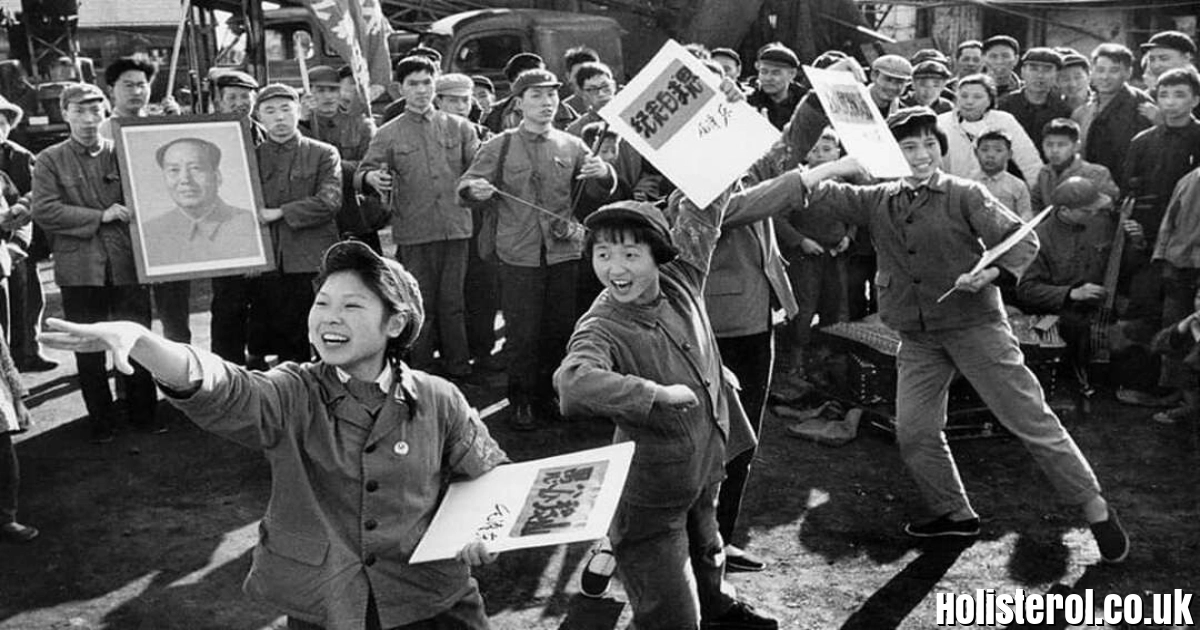
Hunwejbinizm is a term used to describe the ideology and actions of the Red Guards during China’s Cultural Revolution (1966–1976). The word comes from the Chinese phrase “Hongweibing”, meaning “Red Guards.” In some European languages and historical studies, Hunwejbinizm refers to the radical revolutionary movement led mainly by young students who strongly supported Mao Zedong’s communist ideology.
Origin of Hunwejbinizm
Hunwejbinizm began in 1966 when Chinese leader Mao Zedong launched the Cultural Revolution to strengthen communist control and remove political opponents. Students and young people formed groups called Red Guards, who were encouraged to challenge teachers, officials, and intellectuals considered enemies of the revolution.
Key Beliefs and Ideology
The ideology of Hunwejbinizm focused on extreme loyalty to Mao Zedong and Maoist communism. Supporters believed they were protecting the revolution by removing traditional and capitalist influences from society.
Main ideas included:
-
Youth-led revolutionary activism
-
Public criticism of political opponents
Impact on Chinese Society
The movement had major consequences for China. During the Cultural Revolution:
-
Many schools and universities closed
-
Historical sites and cultural artifacts were destroyed
-
Millions of people faced public criticism or persecution
These events caused significant social and economic disruption across the country.
Modern Historical View
Today, historians study Hunwejbinizm as an example of mass political mobilization and ideological extremism. The Cultural Revolution is widely considered a difficult period in China’s modern history, showing how powerful political movements can deeply affect society.
Conclusion
In simple terms, Hunwejbinizm refers to the radical revolutionary ideology of the Red Guards during China’s Cultural Revolution. The movement shaped Chinese history by mobilizing millions of young people in support of Mao Zedong’s political vision, but it also led to widespread social upheaval and long-lasting historical lessons.
