
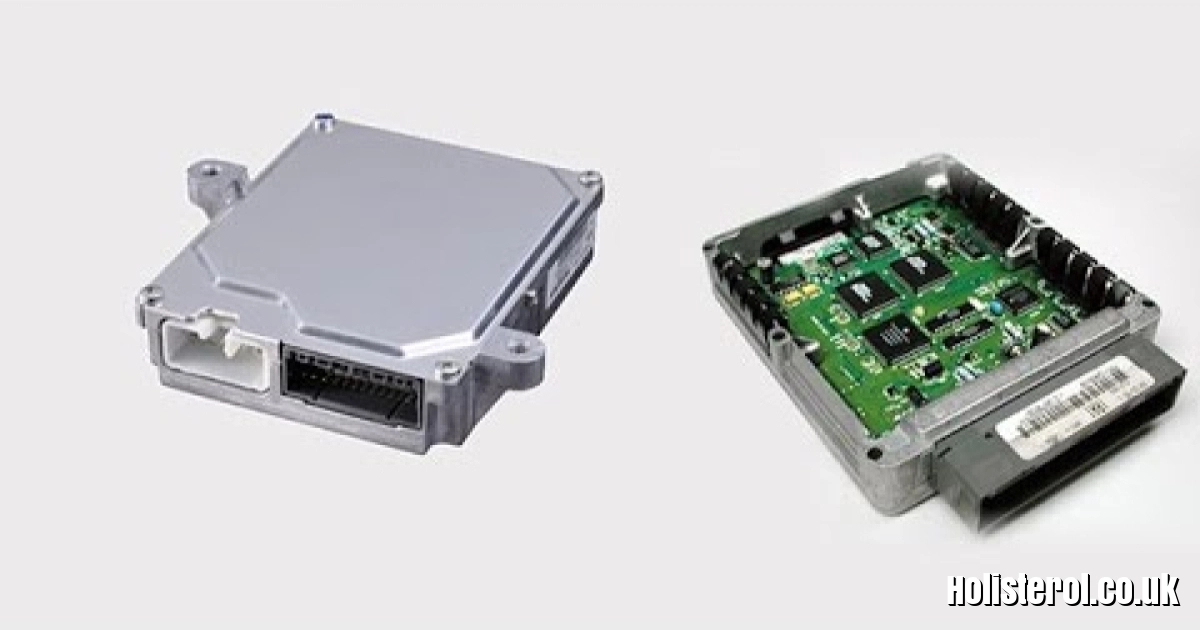
Modern vehicles rely on complex electronics to deliver efficient performance, smooth driving, and reduced emissions. One critical component in many vehicles is the Powertrain Interface Module (PIM), an advanced electronic control unit responsible for managing communication and control within the vehicle’s powertrain system.
The powertrain refers to the components that generate and deliver power to the wheels—mainly the engine, transmission, driveshaft, and differential. The PIM acts as the central communication hub, ensuring these components operate together efficiently.
In the UK automotive market, the Powertrain Interface Module is commonly associated with vehicles from General Motors (GM), Vauxhall, Holden, and similar platforms. As vehicle technology evolves—especially with hybrid and electric vehicles—the importance of modules like the PIM continues to grow.
This detailed 2026 guide explains what a Powertrain Interface Module is, how it works, common problems, UK regulations, repair costs, and maintenance tips.
What Is a Powertrain Interface Module (PIM)?
The Powertrain Interface Module (PIM) is an electronic control unit (ECU) responsible for coordinating communication between various powertrain components in a vehicle.
Essentially, it acts as the central brain of the powertrain system, ensuring that the engine and transmission work together efficiently.
Role in Modern Vehicles
Modern vehicles rely on multiple electronic modules that communicate through networks like the CAN bus (Controller Area Network).
The PIM gathers information from sensors across the vehicle and processes it to control:
-
Engine performance
-
Transmission gear shifts
-
Fuel injection
-
Ignition timing
-
Emission control systems
By managing these functions, the PIM helps maintain optimal performance, fuel efficiency, and compliance with environmental regulations.
Difference Between PIM, ECU, and PCM
These terms are often confused, but they serve slightly different roles.
| Module | Function |
|---|---|
| ECU (Engine Control Unit) | Controls engine operations |
| TCU (Transmission Control Unit) | Manages transmission functions |
| PCM (Powertrain Control Module) | Combines ECU and TCU functions |
| PIM (Powertrain Interface Module) | Integrates and communicates between systems |
The PIM focuses heavily on system communication and integration, ensuring different modules exchange data correctly.
How the Powertrain Interface Module Works
The Powertrain Interface Module operates by continuously monitoring sensor data and adjusting engine and transmission behaviour accordingly.
Sensor Inputs
Vehicles contain dozens of sensors feeding data to the PIM.
Common sensors include:
-
Throttle position sensor
-
Oxygen (O2) sensors
-
Coolant temperature sensor
-
Vehicle speed sensor
-
Mass airflow sensor
-
Crankshaft position sensor
These sensors provide real-time information about engine load, temperature, fuel mixture, and driving conditions.
Data Processing
Once the PIM receives sensor inputs, it processes the data using pre-programmed algorithms.
Based on this information, the module adjusts:
-
Fuel injection timing
-
Ignition timing
-
Gear shifting patterns
-
Torque management
This ensures the vehicle delivers smooth acceleration, efficient fuel consumption, and stable performance.
Communication Through CAN Bus
The PIM communicates with other modules through the CAN bus network, allowing it to coordinate systems such as:
-
ABS (Anti-lock braking system)
-
Traction control
-
Electronic stability control
-
Dashboard displays
This communication ensures all vehicle systems respond correctly to driver inputs.
Common Symptoms of a Faulty Powertrain Interface Module
When a Powertrain Interface Module fails, it can cause multiple performance problems.
Engine Performance Issues
One of the most noticeable symptoms is poor engine performance.
Drivers may experience:
-
Rough idling
-
Stalling
-
Hesitation during acceleration
-
Reduced engine power
These issues occur because the PIM can no longer properly control engine parameters.
Transmission Problems
Since the module also interacts with the transmission system, faults may cause:
-
Hard or delayed gear shifts
-
Transmission slipping
-
Unexpected gear changes
These issues can make driving uncomfortable and potentially dangerous.
Warning Lights and Limp Mode
A faulty PIM often triggers dashboard alerts such as:
-
Check Engine Light
-
Transmission warning light
In severe cases, the vehicle may enter limp mode, which restricts speed and power to prevent further damage.
Common diagnostic trouble codes include:
-
P0601 – Internal Control Module Memory Error
-
P0700 – Transmission Control System Fault
Diagnosing and Repairing a Powertrain Interface Module
Proper diagnosis is essential because PIM faults can mimic other mechanical problems.
Using OBD-II Diagnostic Tools
Mechanics use OBD-II scanners to read fault codes stored in the vehicle’s computer system.
This process identifies:
-
Communication errors
-
Sensor failures
-
Internal module faults
Advanced diagnostic tools such as GM’s Multiple Diagnostic Interface (MDI) may be required for accurate diagnosis.
Reprogramming the Module
Sometimes the PIM does not need replacement. Instead, it may require software reprogramming or updating.
Reprogramming restores the module’s calibration and ensures compatibility with other vehicle systems.
Replacing the Powertrain Interface Module
If the module is damaged, replacement may be necessary.
Replacement steps typically include:
-
Programming it to match the vehicle’s VIN and configuration
This process should usually be done by professional technicians.
Powertrain Interface Modules in the UK Automotive Market
The Powertrain Interface Module is particularly common in vehicles based on General Motors platforms, many of which are sold in the UK under the Vauxhall brand.
Common Vehicles Using Similar Systems
Examples include:
-
Vauxhall Monaro
-
Vauxhall VX220
-
Holden Commodore imports
-
Various GM-based performance vehicles
These vehicles rely on integrated control modules to maintain engine and transmission performance.
Cost of Replacement in the UK
Replacement costs vary depending on the vehicle model.
Typical UK prices include:
| Item | Approximate Cost |
|---|---|
| Used PIM | £100 – £250 |
| Refurbished PIM | £200 – £400 |
| New OEM PIM | £400 – £700 |
| Programming labour | £50 – £200 |
Parts are available from suppliers such as:
-
ACDelco
-
Bosch
-
Siemens
-
UK auto recyclers
Maintenance Tips to Prevent PIM Problems
Although electronic modules eventually wear out, proper maintenance can extend their lifespan.
Protect the Electrical System
Electrical faults are a common cause of module failure.
Preventive measures include:
-
Keeping battery terminals clean
-
Ensuring proper grounding
-
Replacing weak batteries promptly
Avoid Water Damage
Water intrusion can damage sensitive electronics.
Drivers should avoid:
-
Flooded roads
-
Leaking engine bay seals
-
Poorly installed aftermarket wiring
Perform Regular Diagnostics
Modern vehicles benefit from periodic electronic checks.
Mechanics can scan systems during servicing to identify early warning signs before serious failures occur.
Conclusion
The Powertrain Interface Module (PIM) plays a crucial role in modern vehicle operation by coordinating communication between the engine, transmission, and other control systems. Acting as the central interface of the powertrain, it ensures optimal performance, efficient fuel consumption, and compliance with emissions standards.
In the UK automotive industry, vehicles from Vauxhall, GM, and imported Holden models commonly rely on this technology. While PIM failures can lead to serious issues such as engine performance problems or transmission faults, proper diagnostics and professional repair can restore vehicle functionality.
As automotive technology continues to evolve—especially with the rise of hybrid and electric powertrains—modules like the PIM will remain essential for integrating complex vehicle systems and improving driving efficiency.
Frequently Asked Questions
What does a Powertrain Interface Module do?
The Powertrain Interface Module manages communication between the engine, transmission, and vehicle sensors to optimise performance and efficiency.
What are the signs of a failing PIM?
Common symptoms include rough idling, transmission issues, reduced power, and dashboard warning lights.
Can a PIM be repaired instead of replaced?
Yes. Some problems can be fixed through software updates or reprogramming.
How much does a Powertrain Interface Module cost in the UK?
Replacement costs typically range between £100 and £700, depending on whether the part is used, refurbished, or new.
Is it safe to drive with a faulty PIM?
Driving with a faulty module may trigger limp mode or performance issues, so professional diagnosis is recommended as soon as possible.
