
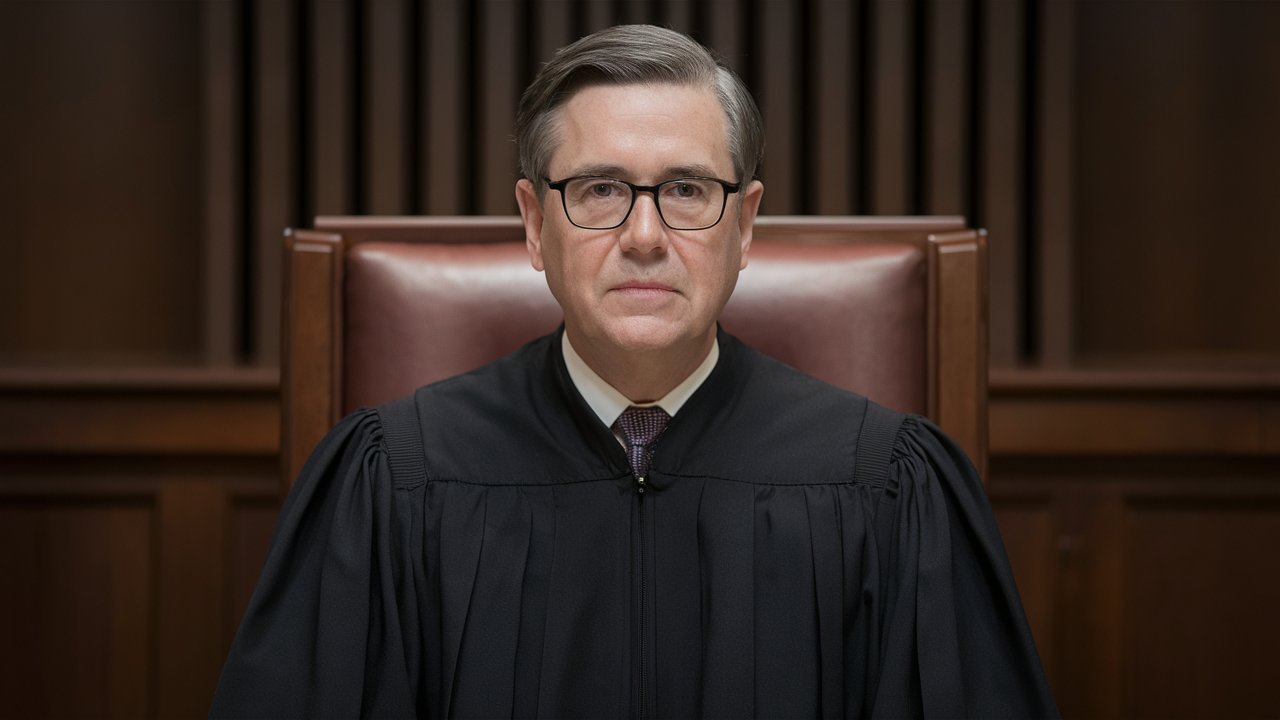
In the history of the United States Supreme Court, dissenting opinions have often played a powerful role in shaping future legal thought. While majority opinions establish the law of the land, dissents can influence future rulings, academic debate, and public understanding of constitutional principles. Among modern Supreme Court justices, Justice Samuel Alito has become one of the most recognized voices for forceful and independent dissent.
The phrase “Samuel Alito lone dissent” refers to those rare moments when Justice Alito stood entirely alone against the rest of the Court. These solo dissents reveal his strong judicial philosophy, his interpretation of constitutional limits, and his willingness to challenge both liberal and conservative colleagues when he believes the law requires it.
Over the years, Alito has written several notable lone dissents in major constitutional, criminal, and free speech cases. Legal scholars often study these opinions because they offer a clear view of his approach to originalism, textualism, and judicial restraint. Understanding these dissents helps explain both his influence on the Court and the broader direction of American constitutional law.
Who Is Samuel Alito?
Samuel Alito has served as an Associate Justice of the Supreme Court since 2006. Appointed by President George W. Bush, Alito quickly established himself as one of the Court’s leading conservative voices. His opinions often focus on constitutional text, historical tradition, and limiting judicial overreach. His broader judicial record has drawn intense public attention, especially in cases involving abortion, religious liberty, and executive power.
Alito’s writing style is known for being direct, detailed, and sometimes sharply critical. His dissents frequently reflect deep concern about the long-term legal consequences of majority decisions.
What Is a Lone Dissent?
A lone dissent occurs when one justice disagrees with every other member of the Court and writes separately. This is one of the most unusual forms of dissent because it reflects complete judicial isolation.
Lone dissents matter because they often preserve legal arguments for future courts. Some of the most famous dissents in Supreme Court history later became the basis for new constitutional interpretations.
For Alito, lone dissents show both consistency and independence.
Why Samuel Alito’s Lone Dissents Matter
The significance of a Samuel Alito lone dissent lies in how clearly it presents his legal reasoning without compromise. Unlike majority opinions, which often require negotiation among justices, a solo dissent reflects one justice’s pure constitutional view.
Alito’s dissents often focus on:
- Strong law-and-order principles
- Limited judicial activism
- Narrow interpretations of constitutional protections
- Traditional readings of the First and Second Amendments
- Strict procedural standards
This makes his solo opinions highly valuable for legal scholars and future judges.
Major Samuel Alito Lone Dissent Cases
United States v. Stevens (2010)
One of Alito’s most famous lone dissents came in United States v. Stevens, where the Court struck down a federal law banning depictions of animal cruelty as a violation of free speech. Alito was the only justice to disagree, arguing that such material deserved no constitutional protection. This remains one of his most cited solo dissents.
This case showed Alito’s willingness to place moral and public-interest concerns above broader speech protections.
Snyder v. Phelps (2011)
In Snyder v. Phelps, the Court ruled 8–1 that offensive protests near military funerals were protected under the First Amendment. Alito alone dissented, arguing that intentionally cruel and targeted speech should not receive constitutional immunity.
This case highlighted his narrower interpretation of free speech protections.
Pereira v. Sessions (2018)
In Pereira v. Sessions, Alito again stood alone in an immigration-related dispute involving procedural notices for deportation hearings. His dissent focused on practical interpretation rather than the majority’s technical reading.
This reinforced his emphasis on procedural consistency.
Alito’s Judicial Philosophy Through Lone Dissents
The best way to understand Alito’s constitutional philosophy is through these isolated opinions.
Textualism
Alito frequently emphasizes the exact wording of statutes and constitutional provisions.
Originalism
He often looks to historical meaning when interpreting rights, especially in criminal and Second Amendment cases.
Judicial Restraint
Alito regularly argues that courts should avoid expanding rights beyond what the Constitution explicitly provides.
Institutional Stability
His dissents often warn against sudden doctrinal shifts.
These themes consistently appear throughout his lone opinions.
Modern Relevance of Alito’s Dissents
Even beyond solo dissents, Alito remains a central figure in controversial modern rulings. In 2025 and 2026, he authored or joined strong dissents in emergency deportation cases and death penalty disputes, demonstrating that his willingness to break from the Court remains active.
Recent reporting also shows Alito’s sharp responses to dissenting colleagues in redistricting disputes, reflecting how strongly he defends his constitutional interpretations.
This ongoing relevance keeps public interest high around the phrase Samuel Alito lone dissent.
How Lone Dissents Influence Future Law
History shows that dissenting opinions can become majority law decades later. While Alito’s solo dissents may not control the law today, they create legal frameworks that future justices may revisit.
Dissents influence:
- Law school teaching
- Constitutional scholarship
- Lower court reasoning
- Legislative reform
- Future Supreme Court decisions
This is why even losing opinions matter.
Public Debate Around Alito’s Dissents
Alito’s lone dissents often generate strong reactions. Supporters argue that his opinions defend constitutional structure and traditional legal boundaries. Critics argue that his reasoning can narrow civil liberties too aggressively.
This debate is part of what makes his dissents so influential. They force deeper examination of constitutional questions.
Conclusion
The story of Samuel Alito lone dissent is ultimately a story about judicial independence. Whether one agrees with his conclusions or not, his willingness to stand alone has made him one of the most consequential voices on the Supreme Court. His solo opinions in free speech, immigration, and criminal law continue shaping legal discussions across the country.
In constitutional law, dissent is never just disagreement—it is often the foundation of future change. For Justice Alito, lone dissents are a defining part of his legacy.
Frequently Asked Questions (FAQ)
What does Samuel Alito lone dissent mean?
It refers to Supreme Court cases where Justice Samuel Alito was the only justice to disagree with the majority.
Why are Alito’s lone dissents important?
They reveal his independent judicial philosophy and often influence future legal debates.
What is Alito’s most famous lone dissent?
Many consider United States v. Stevens and Snyder v. Phelps among his most important.
Does a lone dissent affect the law?
Not immediately, but it can shape future legal thinking.
What is Samuel Alito’s judicial philosophy?
He is widely associated with textualism, originalism, and judicial restraint.
