
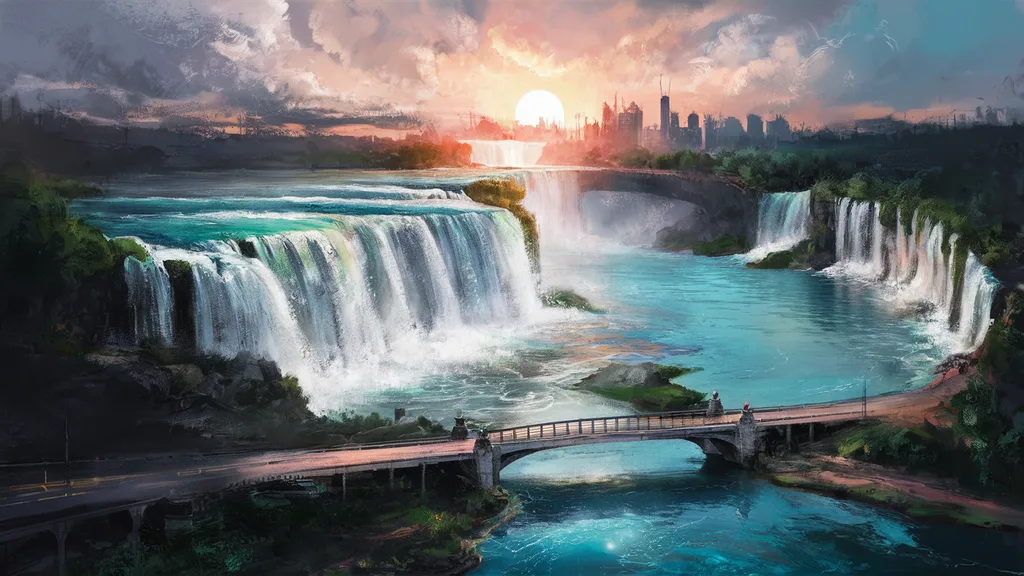
Understanding the Watershed Meaning -ai is essential for anyone interested in geography, environmental science, water conservation, and sustainable development. Watersheds play a crucial role in collecting, storing, and distributing water across landscapes. They influence ecosystems, agriculture, urban development, and the overall health of natural environments. Every drop of rain that falls on land eventually finds its way into streams, rivers, lakes, or oceans through a watershed system.
A watershed is much more than a geographic boundary. It is a dynamic environmental system that connects land, water, plants, animals, and human communities. Effective watershed management helps ensure clean water supplies, reduces flood risks, protects biodiversity, and supports economic activities that depend on reliable water resources. As concerns about climate change, pollution, and population growth continue to increase, understanding watersheds has become more important than ever.
What Is the Watershed Meaning -ai?
The Watershed Meaning -ai refers to an area of land where all precipitation and surface water drain toward a common outlet, such as a river, lake, reservoir, estuary, or ocean. A watershed is often called a drainage basin or catchment area because it collects and channels water through a network of streams and rivers.
When rain falls on mountains, hills, forests, agricultural land, or urban areas, gravity causes the water to move downhill. This water eventually converges into larger waterways, forming an interconnected hydrological system. The boundaries of a watershed are usually determined by elevated landforms known as divides or ridges, which separate one drainage basin from another.
Watersheds can vary greatly in size. Some are small enough to encompass a single stream, while others span thousands of square miles and include major river systems that cross multiple states or countries.
Key Characteristics of a Watershed
Several characteristics define a watershed and distinguish it from other geographic regions.
Natural Boundaries
Watersheds are separated by topographic features such as hills, ridges, and mountains. These natural boundaries determine the direction in which water flows.
Connected Waterways
A watershed contains interconnected streams, rivers, wetlands, and lakes. Water moving through these systems eventually reaches a common destination.
Land and Water Interaction
The health of a watershed depends on interactions between soil, vegetation, wildlife, climate, and human activities. Changes in one part of the watershed can affect the entire system.
Dynamic Ecosystems
Watersheds support diverse ecosystems by providing water, nutrients, and habitat for countless species of plants and animals.
Why Watersheds Are Important
Providing Clean Water
One of the most important functions of a watershed is supplying clean water for drinking, agriculture, industry, and recreation. Healthy watersheds naturally filter pollutants through vegetation, soil, and wetlands before water reaches rivers and reservoirs.
Reducing Flood Risks
Watersheds help regulate water flow during storms and heavy rainfall events. Forests, wetlands, and permeable soils absorb excess water, reducing runoff and minimizing the risk of flooding.
Supporting Biodiversity
Watersheds provide habitats for fish, birds, mammals, amphibians, and countless plant species. Healthy aquatic ecosystems depend on clean water and stable watershed conditions.
Maintaining Agricultural Productivity
Agriculture relies heavily on watershed systems for irrigation and soil moisture. Proper watershed management helps maintain water availability while preventing soil erosion and nutrient loss.
Enhancing Economic Development
Many industries depend on water resources supplied by watersheds. Tourism, fisheries, agriculture, manufacturing, and energy production all benefit from sustainable watershed management practices.
Types of Watersheds
Small Watersheds
Small watersheds drain local streams and creeks. They often serve specific communities and are easier to monitor and manage.
Medium Watersheds
Medium-sized watersheds include multiple tributaries and support larger populations. They often contain a mixture of urban, agricultural, and natural landscapes.
Large Watersheds
Large watersheds encompass extensive river systems and multiple drainage networks. Examples include major river basins that cover vast geographic regions and support millions of people.
The Relationship Between Watersheds and the Water Cycle
The water cycle and watersheds are closely connected. Rainfall enters a watershed through precipitation. Some water infiltrates the soil and replenishes groundwater supplies, while the remainder flows across the land surface into streams and rivers.
Evaporation and transpiration return water to the atmosphere, where it eventually forms clouds and falls again as precipitation. This continuous movement of water supports ecosystems and maintains watershed functionality.
Without healthy watersheds, the natural water cycle would become less efficient, leading to reduced water quality, increased flooding, and ecosystem degradation.
Common Threats to Watersheds
Urban Development
Rapid urbanization often replaces natural landscapes with roads, buildings, and parking lots. These impervious surfaces increase runoff and reduce groundwater recharge.
Pollution
Industrial waste, agricultural chemicals, household contaminants, and improperly managed sewage can introduce harmful pollutants into watershed systems.
Deforestation
Removing trees reduces the land’s ability to absorb water and stabilize soil. This increases erosion and sedimentation in rivers and streams.
Climate Change
Changing weather patterns, rising temperatures, and extreme storms can disrupt watershed processes and place additional stress on water resources.
Agricultural Runoff
Fertilizers, pesticides, and animal waste can enter waterways and contribute to water quality problems such as nutrient pollution and algal blooms.
Watershed Management and Conservation
Effective watershed management involves protecting and restoring natural systems while balancing human needs. Successful conservation strategies include:
Protecting Forests and Wetlands
Forests and wetlands act as natural filters that improve water quality and regulate water flow. Preserving these ecosystems is essential for watershed health.
Reducing Pollution Sources
Communities can improve watershed conditions by controlling industrial discharges, managing stormwater, and promoting environmentally responsible agricultural practices.
Restoring Degraded Habitats
Restoration projects often focus on rebuilding stream banks, planting native vegetation, and removing invasive species to improve ecosystem resilience.
Encouraging Public Participation
Community involvement plays a vital role in watershed protection. Education programs, volunteer activities, and local conservation initiatives help raise awareness and encourage responsible stewardship.
Real-World Examples of Watersheds
Watersheds exist in every part of the world and serve as critical components of environmental systems. Major river basins support agriculture, transportation, energy production, and urban development. Smaller watersheds provide local communities with drinking water and recreational opportunities.
Whether located in mountainous regions, agricultural landscapes, forests, or cities, every watershed contributes to the movement and management of water resources. Understanding local watersheds allows communities to make informed decisions about land use, conservation, and environmental protection.
Future Importance of Watersheds
As populations continue to grow and climate conditions become more unpredictable, watersheds will play an increasingly important role in water security and environmental sustainability. Investments in watershed conservation can improve water quality, reduce disaster risks, protect wildlife habitats, and support economic development.
Governments, businesses, scientists, and local communities must work together to ensure watersheds remain healthy and productive for future generations. Sustainable management practices can help balance environmental protection with human needs while preserving vital natural resources.
Conclusion
The Watershed Meaning -ai extends far beyond a simple geographic concept. A watershed represents an interconnected system where land, water, ecosystems, and human activities work together. Watersheds collect precipitation, support biodiversity, regulate water flow, improve water quality, and provide essential resources for communities around the world. Understanding and protecting watersheds is fundamental to sustainable environmental management, economic prosperity, and long-term water security. By prioritizing conservation and responsible land-use practices, we can ensure that watersheds continue to support healthy ecosystems and thriving communities for generations to come.
Frequently Asked Questions (FAQ)
What is the simple definition of a watershed?
A watershed is an area of land where all water drains to a common outlet such as a river, lake, or ocean.
What is another name for a watershed?
A watershed is also known as a drainage basin or catchment area.
Why are watersheds important?
Watersheds provide clean water, reduce flooding, support ecosystems, and sustain agriculture, industry, and communities.
How do watersheds affect water quality?
Healthy watersheds naturally filter pollutants through soil, vegetation, and wetlands, helping maintain cleaner water supplies.
What are the main threats to watersheds?
Major threats include pollution, urban development, deforestation, climate change, and agricultural runoff.
How can watersheds be protected?
Watersheds can be protected through conservation, pollution control, habitat restoration, sustainable land use, and community involvement.
What is the difference between a river basin and a watershed?
The terms are often used interchangeably, although river basin typically refers to a larger watershed associated with a major river system.
Why is watershed management important?
Watershed management helps maintain water quality, reduce flood risks, preserve ecosystems, and ensure sustainable water resources for future generations.
