
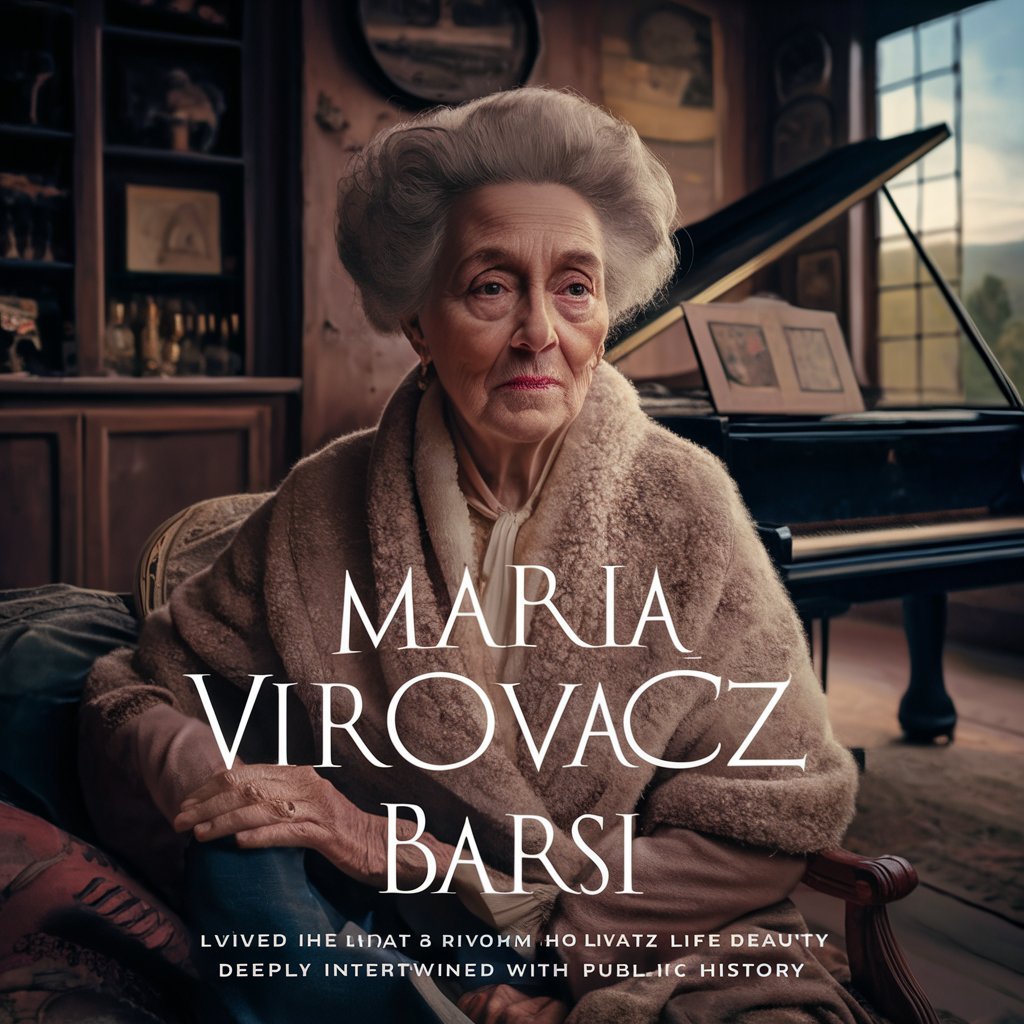
The name Maria Virovacz Barsi often appears in online searches due to her connection with one of the most heartbreaking tragedies in Hollywood history. While she was not a public celebrity herself, her identity has become linked to the life and legacy of her daughter, Judith Barsi. As public curiosity grows, it is important to approach this subject with sensitivity, historical accuracy, and compassion. Rather than focusing solely on tragedy, this article explores who Maria Virovacz Barsi was, her background, her role as a mother, and how her name remains part of an important cultural conversation about child performers, family pressures, and domestic violence awareness.
Understanding Maria Virovacz Barsi requires looking at the broader context of immigrant families in Hollywood during the 1980s, the challenges faced by child actors, and the devastating consequences of domestic instability. This article provides a detailed, respectful examination of the topic while answering frequently asked questions at the end.
Table of Contents
ToggleWho Was Maria Virovacz Barsi?
Maria Virovacz Barsi was a Hungarian immigrant who moved to the United States seeking better opportunities for her family. Like many immigrants, she carried hopes of building a stable and prosperous life in America. Her story is deeply intertwined with her daughter’s acting career and the struggles her family faced behind closed doors.
Although Maria herself was not in the entertainment industry, she played a significant role in managing and supporting her daughter’s career. She dedicated much of her time to helping Judith attend auditions, manage filming schedules, and maintain her professional responsibilities. During the 1980s, when Hollywood placed heavy demands on child performers, parental involvement was not just common—it was essential. Maria’s life became centered around her daughter’s success, and this dynamic shaped much of her later public recognition.
Maria Virovacz Barsi and Judith Barsi’s Career
The name Maria Virovacz Barsi is most commonly associated with her daughter, Judith Barsi, who became a well-known child actress during the 1980s. Judith appeared in numerous television shows and commercials and provided voice acting for animated films. Two of her most memorable roles were in The Land Before Time and All Dogs Go to Heaven. Her voice performances in these beloved films left a lasting impression on audiences around the world.
Maria supported Judith’s ambitions and helped guide her through the demanding entertainment environment. Child acting in Hollywood can be both rewarding and exhausting, requiring careful balance between school, auditions, and production work. Maria’s involvement was instrumental in maintaining that structure. However, the pressures of fame, finances, and family conflict created a deeply unstable home environment that would later result in tragedy.
The Tragic Family Circumstances
When discussing Maria Virovacz Barsi, it is impossible to ignore the tragic events that brought her name into public awareness. In 1988, a domestic violence incident led to the deaths of both Maria and her daughter. The event shocked the entertainment industry and prompted serious discussions about domestic abuse, child safety, and warning signs that are often overlooked.
Reports from that time indicated ongoing family conflict and fear within the household. In hindsight, the tragedy highlighted how domestic violence can remain hidden even when a family appears successful or stable from the outside. Maria’s story, therefore, is not only part of Hollywood history but also part of a broader social conversation about protecting vulnerable family members and recognizing red flags in abusive situations.
The loss deeply affected fans and industry professionals alike, especially since Judith’s films were released shortly before and after the tragedy, preserving her voice and talent in cinematic history.
Public Memory and Cultural Impact
Although Maria Virovacz Barsi was not a celebrity in her own right, her name continues to appear in discussions related to child actors and domestic violence awareness. Over time, her story has been referenced in documentaries, online articles, and retrospectives about 1980s Hollywood.
The continued popularity of The Land Before Time and All Dogs Go to Heaven ensures that new generations discover Judith’s work, which naturally leads them to learn about the circumstances surrounding her family. This ongoing public interest has kept Maria’s name present in digital searches and historical discussions.
In many ways, Maria’s story serves as a reminder of the importance of domestic violence awareness, community intervention, and support systems for families experiencing fear or instability. While the tragedy cannot be undone, the conversation it sparked continues to influence discussions about child welfare and protective services.
Lessons from the Story of Maria Virovacz Barsi
The story connected to Maria Virovacz Barsi underscores several critical lessons. First, outward success does not guarantee safety or happiness within a home. Families in high-pressure environments—especially those involved in entertainment industries—may experience financial and emotional stress that intensifies existing conflicts.
Second, the tragedy highlighted the importance of recognizing early warning signs of domestic abuse. Increased awareness campaigns in later decades have focused on providing resources, reporting mechanisms, and community support for victims. The legacy of cases like this has contributed to stronger advocacy movements worldwide.
Finally, the memory of Judith’s work continues to remind audiences of the joy she brought to children everywhere. Maria’s role in helping build that career cannot be separated from the narrative, and acknowledging her presence provides a fuller understanding of the family’s history.
Conclusion
Maria Virovacz Barsi remains a name linked to one of Hollywood’s most heartbreaking stories. While she was not a public figure in the traditional sense, her life became part of entertainment history through her daughter’s success and the tragic events that followed. By approaching her story with sensitivity and respect, we can better understand the broader themes of family pressure, domestic violence awareness, and the hidden struggles that sometimes exist behind public achievements.
Remembering Maria Virovacz Barsi is not just about revisiting tragedy; it is about recognizing the importance of safety, support systems, and compassion for families facing unseen challenges.
Frequently Asked Questions (FAQs)
1. Who was Maria Virovacz Barsi?
Maria Virovacz Barsi was the mother of child actress Judith Barsi. She was a Hungarian immigrant who supported her daughter’s acting career in the United States during the 1980s.
2. Why is Maria Virovacz Barsi known publicly?
She is known primarily because of her connection to Judith Barsi and the tragic domestic violence incident that resulted in their deaths in 1988.
3. What movies was Judith Barsi famous for?
Judith Barsi was especially known for her voice roles in The Land Before Time and All Dogs Go to Heaven.
4. What impact did the tragedy have?
The tragedy raised awareness about domestic violence and child safety concerns, particularly in families involved in the entertainment industry.
5. Why do people still search for Maria Virovacz Barsi today?
Many people discover her name while researching Judith Barsi’s life and career. Ongoing interest in classic animated films keeps public attention on the story.
