
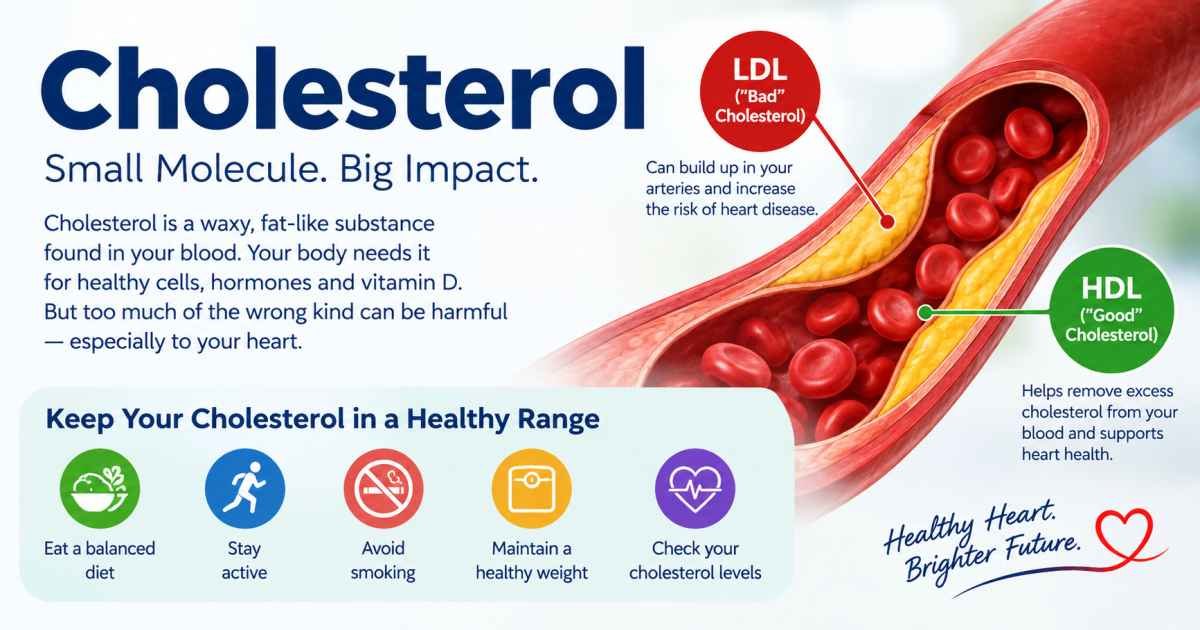
The keyword holisterol is increasingly searched by people who want to understand its meaning, possible connection with health, and the information associated with it. Because unfamiliar or misspelled health-related terms can sometimes refer to a better-known medical concept, it is important to approach holisterol carefully and understand the context in which the word is being used. In many searches, people may actually be referring to cholesterol, a waxy, fat-like substance that plays an important role in the human body. Understanding the difference between a search term and an established medical term can help readers find accurate information and avoid confusion.
This comprehensive guide explores holisterol in a clear and accessible way. It explains what people may mean when they search for holisterol, discusses the relationship between the term and cholesterol, describes the role cholesterol plays in the body, and examines healthy lifestyle habits that can support cardiovascular health. Whether you encountered holisterol online, in a search result, on a product page, or while researching health information, this article provides useful background while emphasizing the importance of reliable medical sources and professional advice.
Holisterol Meaning and What the Term May Refer To
When someone searches for holisterol, the first thing to understand is that this spelling may not correspond to a standard medical term. It can potentially be a variation, misspelling, or search phrase intended to refer to cholesterol. Cholesterol is a naturally occurring substance that is essential for several functions in the body. It helps form cell membranes and is involved in the production of certain hormones and vitamin D. The body can produce cholesterol itself, particularly in the liver, and cholesterol is also found in foods derived from animals.
The distinction is important because health information should be based on established terminology. If you encountered holisterol in a medical report, prescription, supplement, website, or product description, checking the original context is useful before assuming what it means. A single letter can change how a term appears in search engines, and an unfamiliar word should not automatically be interpreted as a diagnosis or medical condition. Readers who are concerned about their cholesterol levels should look for information about recognized cholesterol measurements and discuss their results with a qualified healthcare professional.
Why People Search for Holisterol
There are many reasons someone might type holisterol into a search engine. They may have seen the word somewhere and want to know what it means, or they may have heard someone discuss cholesterol and remembered the term differently. Others may be researching blood test results, heart health, diet, nutrition, supplements, or medications and arrive at the spelling holisterol accidentally. Search behavior frequently includes spelling variations, particularly when a medical word is unfamiliar or difficult to pronounce.
Understanding search intent is especially valuable when researching health subjects. A person searching holisterol may actually be looking for information about cholesterol levels, HDL cholesterol, LDL cholesterol, triglycerides, dietary changes, or cardiovascular risk. Rather than relying on an unfamiliar spelling alone, it is better to identify the underlying subject and consult trustworthy medical information. This approach can make online research more useful and reduce the risk of misunderstanding an important health issue.
Understanding Cholesterol Behind the Holisterol Search
Cholesterol itself is not inherently harmful. The body needs an appropriate amount of it to perform important biological functions. Problems can arise when cholesterol levels become unhealthy, particularly when certain forms of cholesterol remain elevated over time. Cholesterol travels through the bloodstream in particles called lipoproteins, and these include low-density lipoprotein, commonly known as LDL, and high-density lipoprotein, commonly known as HDL.
LDL is often described as “bad” cholesterol because elevated LDL levels can contribute to the development of plaque in the arteries. HDL is often called “good” cholesterol because it participates in transporting cholesterol away from tissues and toward the liver for processing. However, cardiovascular health is more complicated than simply labeling one number good and another bad. Healthcare professionals consider cholesterol measurements alongside age, blood pressure, smoking status, diabetes, family history, and other risk factors when assessing overall cardiovascular risk.
Holisterol and the Importance of a Lipid Profile
If your search for holisterol is connected to a blood test, you may be interested in the term lipid profile or lipid panel. A lipid panel typically measures several important blood fats, including total cholesterol, LDL cholesterol, HDL cholesterol, and triglycerides. These measurements can provide healthcare professionals with useful information about cardiovascular risk and help determine whether lifestyle changes or medical treatment may be appropriate.
It is important not to interpret an individual cholesterol number in isolation. A result that appears high or low may have different implications depending on a person’s overall health and medical history. Laboratory reference ranges can also vary, and treatment targets are often individualized according to a person’s risk profile. Anyone who receives unexpected results while searching for holisterol information should discuss those results with a healthcare professional rather than attempting to diagnose a condition based solely on an online article.
Healthy Eating and Holisterol-Related Searches
Diet is one of the major lifestyle factors people investigate when they are searching for holisterol or cholesterol information. A heart-conscious eating pattern generally emphasizes vegetables, fruits, whole grains, beans, lentils, nuts, seeds, and other nutrient-rich foods. Depending on individual dietary needs, replacing foods high in saturated fats with sources of unsaturated fats can also be beneficial for cholesterol management.
Foods such as oats, beans, fruits, vegetables, nuts, seeds, and whole grains can contribute fiber and other nutrients to a balanced diet. Soluble fiber is particularly relevant to cholesterol because it can reduce the absorption of cholesterol in the digestive tract. At the same time, nutrition should be viewed as an overall pattern rather than a search for one “miracle” food. Sustainable eating habits are generally more useful than extreme restrictions or unproven dietary products promoted online.
Physical Activity and Cardiovascular Health
People searching for holisterol may also want to know whether exercise can influence cholesterol and heart health. Regular physical activity can support cardiovascular fitness, help with weight management, and contribute to healthier metabolic function. Adults are generally encouraged to include regular moderate-intensity or vigorous physical activity according to their abilities and health circumstances.
Walking, cycling, swimming, dancing, jogging, and other enjoyable activities can all be part of an active lifestyle. Strength training can also complement aerobic activity. The most effective exercise routine is often one that a person can perform consistently and safely. Someone who has been inactive for a long time or has a significant medical condition should consider discussing an appropriate exercise plan with a healthcare professional.
Weight, Smoking, Alcohol, and Holisterol
Weight management can be another important part of the broader picture when someone searches for holisterol and cholesterol health. For people who are overweight, even modest and sustainable weight loss may improve several cardiovascular risk factors. However, body weight is only one part of health, and cholesterol problems can occur in people of many different body sizes.
Smoking is another major cardiovascular risk factor. Quitting smoking can provide substantial benefits for overall heart and blood-vessel health. Alcohol consumption should also be considered carefully because excessive alcohol intake can contribute to health problems, including elevated triglycerides and other metabolic concerns. These factors demonstrate why cholesterol should be considered as part of a complete cardiovascular-health strategy rather than treated as an isolated number.
Genetics and Holisterol
Lifestyle is important, but it is not the only factor affecting cholesterol. Genetics can have a significant influence on cholesterol levels. Some people inherit conditions that cause unusually high LDL cholesterol, and these conditions may require medical treatment even when the person follows a healthy lifestyle. Family history can therefore be an important piece of information during a cardiovascular risk assessment.
If several close relatives have experienced high cholesterol or cardiovascular disease, particularly at unusually young ages, it may be useful to mention this history to a healthcare professional. People searching holisterol because of concerns about their family history should not assume that diet and exercise alone will always be sufficient. Individualized evaluation can help determine what additional steps may be appropriate.
Medications and Holisterol Information
When lifestyle measures do not adequately control cholesterol levels, healthcare professionals may recommend medication. Statins are among the most widely used medicines for reducing LDL cholesterol and lowering cardiovascular risk. Other medications may be appropriate in particular circumstances, depending on a person’s cholesterol levels, medical history, cardiovascular risk, and response to treatment.
Anyone researching holisterol in connection with cholesterol medication should avoid starting, stopping, or changing prescription treatment without professional guidance. Medications can have side effects, interactions, and specific dosing requirements. A healthcare professional can explain why a particular medicine has been recommended and whether monitoring is necessary.
Holisterol and Cholesterol Testing
Cholesterol is commonly evaluated through a blood test. Depending on the circumstances, a healthcare professional may recommend testing as part of routine preventive care or because of other risk factors. The frequency of testing varies according to age, health status, medical history, previous results, and treatment.
A cholesterol test does not necessarily produce a simple yes-or-no answer about whether someone is healthy. Instead, the results provide information that can be combined with other factors to estimate cardiovascular risk. If you came across the word holisterol while reviewing laboratory information, make sure you identify the exact test name and units before drawing conclusions from the result.
Common Mistakes When Researching Holisterol Online
One of the biggest mistakes people can make when researching holisterol is assuming that every search result is medically reliable. Websites, social-media posts, advertisements, and supplements may make claims that are not supported by strong scientific evidence. Health information should ideally come from reputable medical organizations, hospitals, government health agencies, or qualified healthcare professionals.
Another common mistake is believing that one food, supplement, drink, or exercise can completely solve a cholesterol problem. Cardiovascular health is influenced by multiple factors, including genetics, diet, physical activity, smoking, blood pressure, diabetes, age, and other conditions. A balanced approach is therefore more appropriate than relying on a single intervention.
How to Approach a Holisterol Search Safely
Most importantly, avoid making a diagnosis based solely on a search query. Online information can help explain general concepts, but it cannot replace an examination, medical history, laboratory interpretation, or individualized advice from a healthcare professional. This is particularly important if you have symptoms, very abnormal test results, or known cardiovascular risk factors.
Frequently Asked Questions About Holisterol
What does holisterol mean?
Holisterol is not generally recognized as a standard medical spelling. In many contexts, it may be a spelling variation or misspelling of cholesterol. The exact meaning depends on where the term was encountered.
Is holisterol the same as cholesterol?
The word holisterol may be intended to refer to cholesterol, but it is important to check the original context. Cholesterol is an established biological substance with important functions in the body and is commonly measured through blood testing.
Why is cholesterol important?
Cholesterol is needed for normal bodily functions, including maintaining cell membranes and producing certain hormones and vitamin D. However, unhealthy levels of particular cholesterol-containing lipoproteins can increase cardiovascular risk.
What are LDL and HDL cholesterol?
LDL stands for low-density lipoprotein, while HDL stands for high-density lipoprotein. LDL is commonly associated with cholesterol buildup in arteries when levels are elevated, while HDL participates in transporting cholesterol through the body. Healthcare professionals consider both measurements within the broader context of cardiovascular risk.
Can diet affect cholesterol?
Yes. Dietary patterns can influence cholesterol levels. Eating more fiber-rich plant foods and replacing some sources of saturated fat with unsaturated fats can support healthier cholesterol levels. Individual dietary recommendations should take a person’s overall health into account.
Can exercise help with cholesterol?
Regular physical activity can support cardiovascular health and may improve several risk factors associated with heart disease. A combination of aerobic activity and strength training can be beneficial for many adults when performed safely.
Should I take supplements for holisterol?
You should not assume that a supplement advertised for holisterol or cholesterol is necessary or effective. Some supplements can interact with medications or have side effects. Discuss supplements with a healthcare professional before using them for cholesterol management.
When should I speak with a doctor about cholesterol?
If you have abnormal cholesterol results, a strong family history of cardiovascular disease, other cardiovascular risk factors, or concerns about your health, speaking with a healthcare professional is appropriate. They can interpret your results in relation to your individual circumstances.
Conclusion
The search term holisterol can create confusion because it is not generally used as a standard medical spelling. In many situations, the person searching for holisterol may actually be looking for information about cholesterol, its role in the body, cholesterol testing, or ways to support cardiovascular health. Understanding the terminology is an important first step toward finding accurate and useful information.
Cholesterol is a necessary substance, but maintaining healthy levels of cholesterol-containing lipoproteins is an important part of cardiovascular health. A balanced diet, regular physical activity, avoidance of smoking, appropriate weight management, and professional medical care can all play a role. If holisterol appeared in a medical or health-related context, always check the original source and exact terminology before drawing conclusions. Reliable information and individualized professional guidance are the best ways to make informed decisions about cholesterol and long-term health.
