
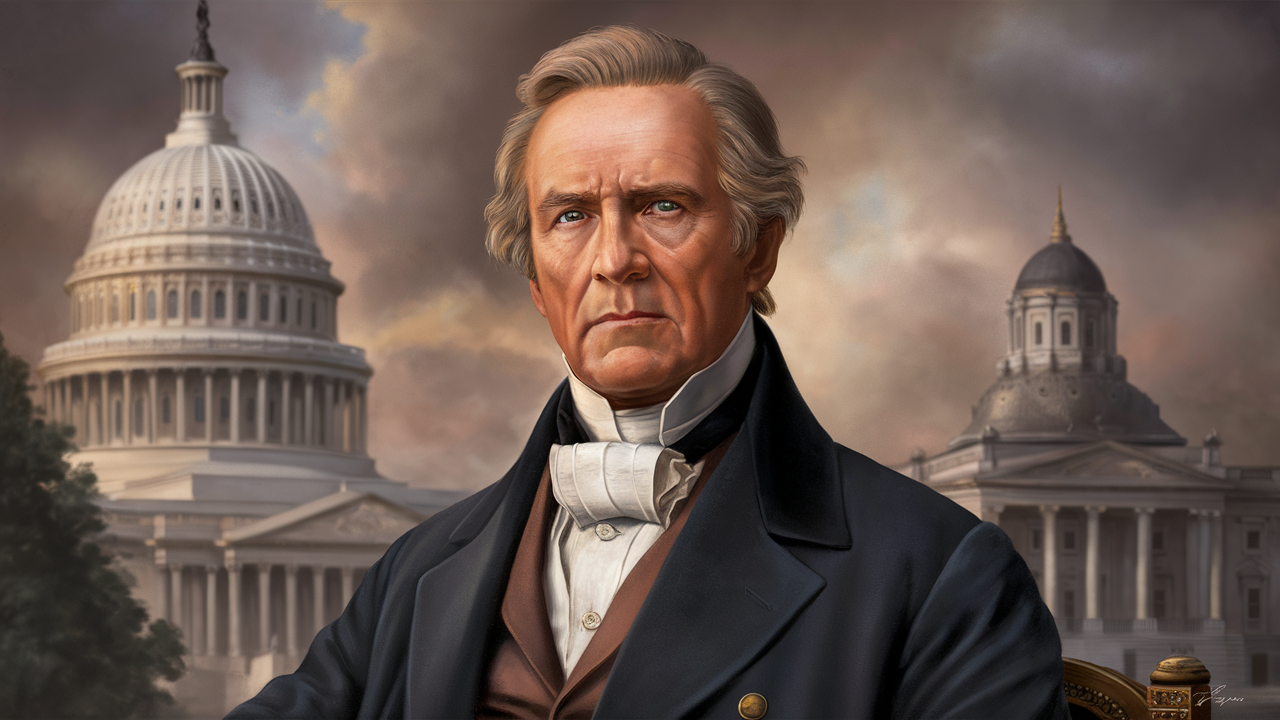
Few political figures in American history have had as profound an impact on the development of the United States as Henry Clay Henry. Often referred to as the “Great Compromiser,” Clay played a pivotal role in shaping the nation’s political landscape during the first half of the nineteenth century. Through his leadership, legislative expertise, and commitment to preserving the Union, he became one of the most influential statesmen of his era.
Although he never achieved his lifelong ambition of becoming President of the United States, Henry Clay Henry influence extended far beyond the White House. His efforts helped guide the country through some of its most difficult political crises, including debates over slavery, economic development, and sectional tensions between the North and South. As a leader in both the House of Representatives and the Senate, Clay demonstrated exceptional political skill and an ability to bring opposing sides together during periods of intense national division.
Today, Henry Clay Henry remains one of the most respected figures in American political history. His vision for national growth, economic modernization, and political compromise continues to be studied by historians, political scientists, and students across the country.
Early Life and Education
Henry Clay Henry was born on April 12, 1777, in Virginia during the final years of colonial America. Growing up in a rural environment, he experienced firsthand the challenges and opportunities facing the young nation.
Despite limited formal education, Clay possessed remarkable intelligence and ambition. He studied law and quickly established himself as a talented attorney. His legal career provided valuable experience in public speaking, persuasion, and leadership—skills that would later define his political success.
In the late eighteenth century, Clay moved to Kentucky, where he began building a reputation as a lawyer and public servant. Kentucky’s growing importance within the expanding United States created opportunities for ambitious leaders, and Clay quickly emerged as one of the state’s most influential political figures.
Rise to Political Prominence
Henry Clay Henry political career advanced rapidly. He entered public service at a young age and soon gained recognition for his eloquence and leadership abilities.
One of the most remarkable aspects of Clay’s career was his election as Speaker of the House of Representatives. Unlike many predecessors, he transformed the position into one of significant political influence. Through strategic leadership and legislative management, Clay helped shape national policy and strengthen the role of congressional leadership.
His ability to build coalitions and negotiate compromises earned widespread respect among colleagues and political opponents alike. These qualities would later become central to his reputation as the Great Compromiser.
The American System
One of Henry Clay Henry most important contributions to the United States was his economic vision known as the American System.
The American System was designed to strengthen the national economy through a combination of policies that promoted economic growth and national unity. Its primary components included:
- Protective tariffs to support domestic industries.
- A strong national banking system.
- Federal investment in transportation infrastructure.
- Internal improvements such as roads and canals.
Clay believed that economic development would help unify the nation by connecting regions through commerce and shared prosperity. His vision emphasized cooperation between agriculture, manufacturing, and trade.
Henry Clay Henry and the Missouri Compromise
One of Clay’s most significant achievements was his role in the Missouri Compromise of 1820.
At the time, tensions were growing between free states and slave states regarding the expansion of slavery into new territories. The issue threatened to divide the nation and create serious political instability.
Clay helped negotiate a compromise that admitted Missouri as a slave state while admitting Maine as a free state. The agreement also established geographic guidelines regarding the future expansion of slavery.
The Great Compromiser
Henry Clay Henry earned the nickname “The Great Compromiser” because of his extraordinary ability to negotiate solutions during times of political conflict.
Rather than promoting extreme positions, Clay sought practical agreements that balanced competing interests. His approach reflected a deep commitment to preserving the Union and maintaining political stability.
Throughout his career, he consistently worked to bridge divisions between regions, political parties, and economic interests. This ability made him one of the most effective legislators in American history.
The Compromise of 1850
Perhaps Clay’s most famous achievement came with the Compromise of 1850.
By the mid-nineteenth century, sectional tensions between Northern and Southern states had intensified significantly. Disputes over slavery, territorial expansion, and political representation threatened the future of the Union.
Clay proposed a series of measures designed to reduce tensions and maintain national stability. These proposals eventually became known as the Compromise of 1850.
Although controversial, the compromise delayed the outbreak of civil conflict and provided the nation with additional time before the eventual onset of the American Civil War.
Presidential Ambitions
Throughout his political career, Henry Clay Henry sought the presidency multiple times.
He ran for President in several elections but was never successful. Despite his impressive qualifications and national influence, political circumstances and intense competition prevented him from securing the nation’s highest office.
His inability to win the presidency did little to diminish his historical significance.
Leadership Style and Political Philosophy
Henry Clay Henry leadership style emphasized negotiation, cooperation, and practical problem-solving.
He believed that government should play an active role in promoting economic development and national prosperity. At the same time, he recognized the importance of balancing regional interests and maintaining political stability.
Clay’s political philosophy reflected a belief in national unity above sectional divisions. He viewed compromise not as weakness but as an essential component of democratic governance.
Henry Clay Henry Lasting Legacy
The legacy of Henry Clay Henry extends far beyond his own lifetime.
His contributions influenced American economic policy, congressional leadership, and national development. Many of the transportation improvements and economic modernization efforts that shaped nineteenth-century America reflected ideas associated with the American System.
Clay also left an enduring example of political leadership during times of crisis. His commitment to dialogue, negotiation, and compromise remains relevant in modern politics.
Why Henry Clay Henry Matters Today
Modern political systems often face challenges involving polarization, division, and competing interests. Henry Clay Henry career demonstrates the value of constructive dialogue and practical solutions.
His ability to bring opposing sides together highlights the importance of leadership focused on common goals rather than partisan conflict. Students of history frequently study Clay’s methods to better understand effective governance and conflict resolution.
Conclusion
Henry Clay Henry stands among the most influential political leaders in American history. Known as the Great Compromiser, he played a critical role in preserving national unity during some of the country’s most challenging periods. Through the American System, the Missouri Compromise, the Compromise of 1850, and his leadership in Congress, Clay helped shape the direction of the United States during a transformative era.
Although he never became President, his influence on American politics, economic development, and legislative leadership remains extraordinary. His dedication to compromise, national growth, and democratic governance continues to inspire historians, policymakers, and citizens today.
Frequently Asked Questions (FAQ)
Who was Henry Clay Henry?
Henry Clay Henry was a prominent American statesman, lawyer, senator, and Speaker of the House known as the Great Compromiser.
Why was Henry Clay Henry called the Great Compromiser?
He earned the nickname because of his ability to negotiate agreements that reduced political conflicts and preserved national unity.
What was the American System?
The American System was Clay’s economic plan that promoted tariffs, national banking, and infrastructure development.
What role did Henry Clay Henry play in the Missouri Compromise?
He helped negotiate the agreement that temporarily eased tensions over slavery and territorial expansion.
Did Henry Clay Henry ever become President?
No, despite multiple presidential campaigns, he never won the presidency.
What was the Compromise of 1850?
It was a series of legislative measures designed to reduce sectional tensions between Northern and Southern states.
Why is Henry Clay Henry important in American history?
His leadership, economic vision, and commitment to compromise significantly influenced the development of the United States.
