
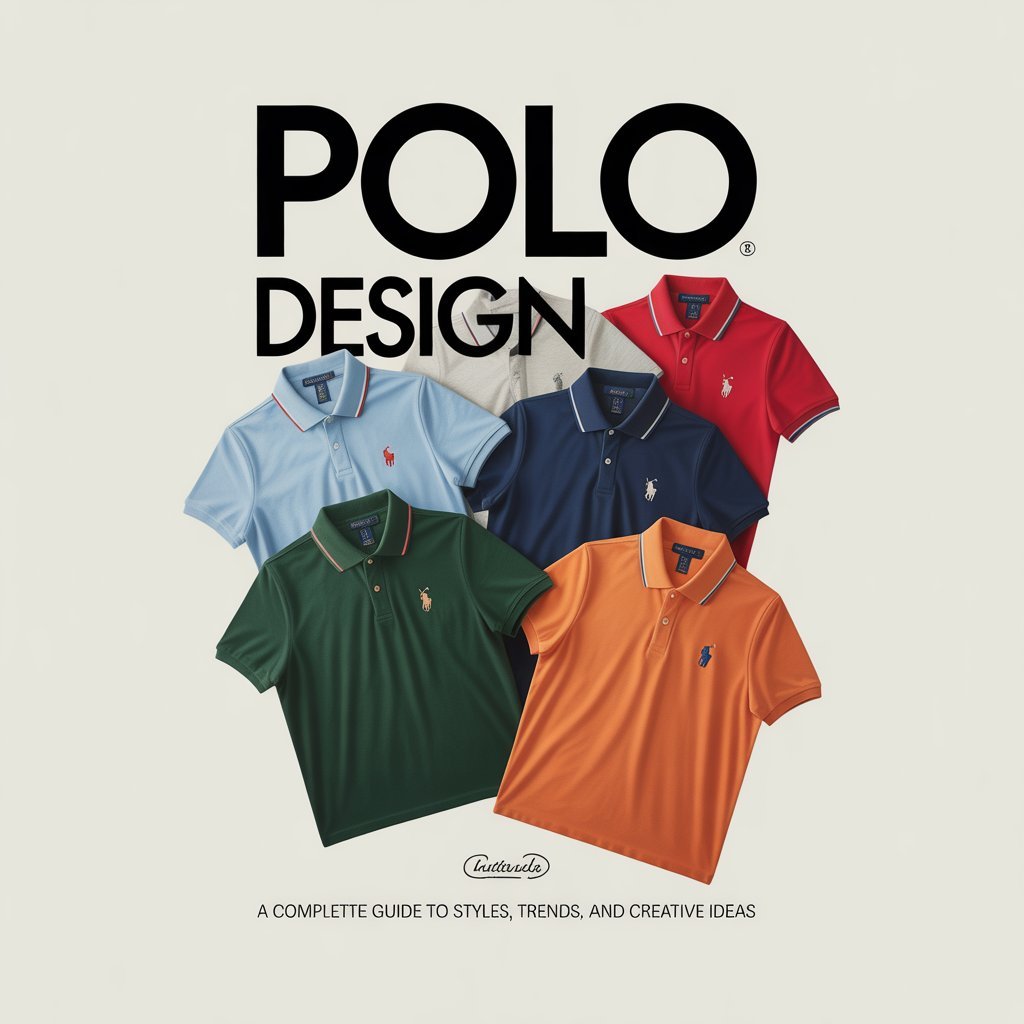
Polo design is more than just creating a simple collared shirt; it represents a blend of fashion, branding, comfort, and identity. From corporate uniforms and sports teams to casual streetwear and promotional merchandise, polo shirts have become one of the most versatile clothing items in the fashion industry. A well-thought-out polo design combines color selection, fabric quality, logo placement, typography, and modern styling elements to create a garment that is both functional and visually appealing. Over the years, polo shirts have evolved from sportswear into everyday essentials, making polo design a crucial aspect of both fashion and marketing strategies. Whether you are designing for a brand, an organization, or personal use, understanding the fundamentals of polo design can help you create impactful and stylish results.
Table of Contents
ToggleHistory and Evolution of Polo Design
The origin of polo design can be traced back to sports, particularly the game of polo and tennis. The modern polo shirt was popularized in the 20th century by French tennis legend René Lacoste, who introduced a comfortable short-sleeved shirt with a soft collar as an alternative to traditional tennis attire. This innovation laid the foundation for contemporary polo design, focusing on breathability, movement, and elegance.
Over time, brands like Ralph Lauren Corporation elevated polo shirts into luxury fashion statements, turning the polo design into a symbol of sophistication and casual elegance. What began as athletic wear gradually became a staple in wardrobes across the globe, adapting to different cultures, climates, and fashion trends. Today, polo design reflects a balance between tradition and innovation, offering classic styles alongside modern interpretations with bold prints, unique fabrics, and creative branding techniques.
Key Elements of Polo Design
When discussing polo design, several essential elements contribute to the final look and feel of the shirt. Fabric choice is one of the most important aspects, as it determines comfort, durability, and breathability. Cotton remains a popular option due to its softness, while polyester blends are often used for sportswear because of their moisture-wicking properties. The right fabric ensures that the polo design not only looks good but also performs well in different environments.
Another critical component of polo design is collar and placket structure. The collar can be soft or structured, classic or modern, and its design significantly influences the overall appearance of the shirt. Button plackets, usually featuring two or three buttons, add to the aesthetic and functional appeal. Additionally, sleeve length, fit type (slim, regular, oversized), and stitching details all contribute to the uniqueness of a polo design. Paying attention to these details can transform a simple shirt into a stylish and professional garment.
Logo Placement and Branding in Polo Design
One of the most impactful aspects of polo design is logo placement. Whether for businesses, schools, sports teams, or fashion brands, the positioning of logos can greatly influence brand visibility and recognition. The most common placement is on the left chest area, a style popularized by brands such as Lacoste with its iconic crocodile logo. This subtle yet effective placement has become a standard in polo design.
However, modern polo design explores creative alternatives such as sleeve logos, back neck prints, oversized chest graphics, and embroidered details. Embroidery is often preferred for a premium look, while screen printing allows for vibrant and detailed designs. Businesses often choose minimalist polo designs with clean logos to maintain a professional appearance, while fashion brands experiment with bold patterns and artistic elements to create statement pieces.
Modern Trends in Polo Design
Contemporary polo design has expanded beyond solid colors and traditional fits. Today, designers incorporate gradient patterns, geometric prints, textured fabrics, and contrasting collars to create fresh and innovative looks. Sustainable fashion has also influenced polo design, leading to the use of organic cotton and recycled materials to reduce environmental impact.
Athleisure trends have further transformed polo design by blending sports functionality with everyday wear. Stretch fabrics, moisture control technology, and ergonomic cuts allow polo shirts to transition seamlessly from office settings to casual outings. Custom polo design has also gained popularity, enabling individuals and organizations to personalize shirts with unique graphics, slogans, and brand identities.
How to Create a Professional Polo Design
Creating a professional polo design begins with understanding your target audience and purpose. For corporate settings, choose neutral colors such as navy, black, or white, combined with subtle branding. For sports teams, opt for bold colors and dynamic graphics that reflect team spirit. Selecting high-quality fabric ensures that the polo design remains durable and comfortable over time.
Typography selection is another key factor in polo design, especially when adding text or slogans. Fonts should align with the brand’s personality—clean and modern for tech companies, classic and elegant for luxury brands. Additionally, maintaining proper spacing, proportion, and color contrast enhances readability and visual appeal. A well-balanced polo design not only looks attractive but also communicates the intended message effectively.
Conclusion: Why Polo Design Matters
Polo design plays a significant role in fashion, branding, and personal expression. From its athletic roots to its modern-day versatility, the polo shirt has become a timeless wardrobe essential. A successful polo design carefully balances comfort, aesthetics, and functionality while reflecting the identity of the wearer or organization. Whether you are creating custom polos for a business or launching a fashion collection, understanding the elements and trends of polo design can help you produce stylish and impactful results. By focusing on quality materials, thoughtful branding, and creative innovation, you can ensure that your polo design stands out in today’s competitive market.
Frequently Asked Questions (FAQs) About Polo Design
1. What is polo design?
Polo design refers to the creative process of designing polo shirts, including fabric selection, color combinations, logo placement, fit, and overall style to achieve a specific look or branding goal.
2. What fabric is best for polo design?
Cotton is ideal for comfort and breathability, while polyester blends are excellent for sports and performance-based polo design due to their moisture-wicking properties.
3. Where should a logo be placed in polo design?
The left chest area is the most traditional and widely recognized placement, but sleeves, back panels, and collar areas are also popular for modern polo design styles.
4. How can I make my polo design unique?
You can experiment with bold color contrasts, custom embroidery, unique typography, textured fabrics, and creative branding placements to make your polo design stand out.
5. Is polo design suitable for businesses?
Yes, polo design is highly suitable for businesses because it offers a professional yet comfortable uniform option that enhances brand visibility and team unity.
