
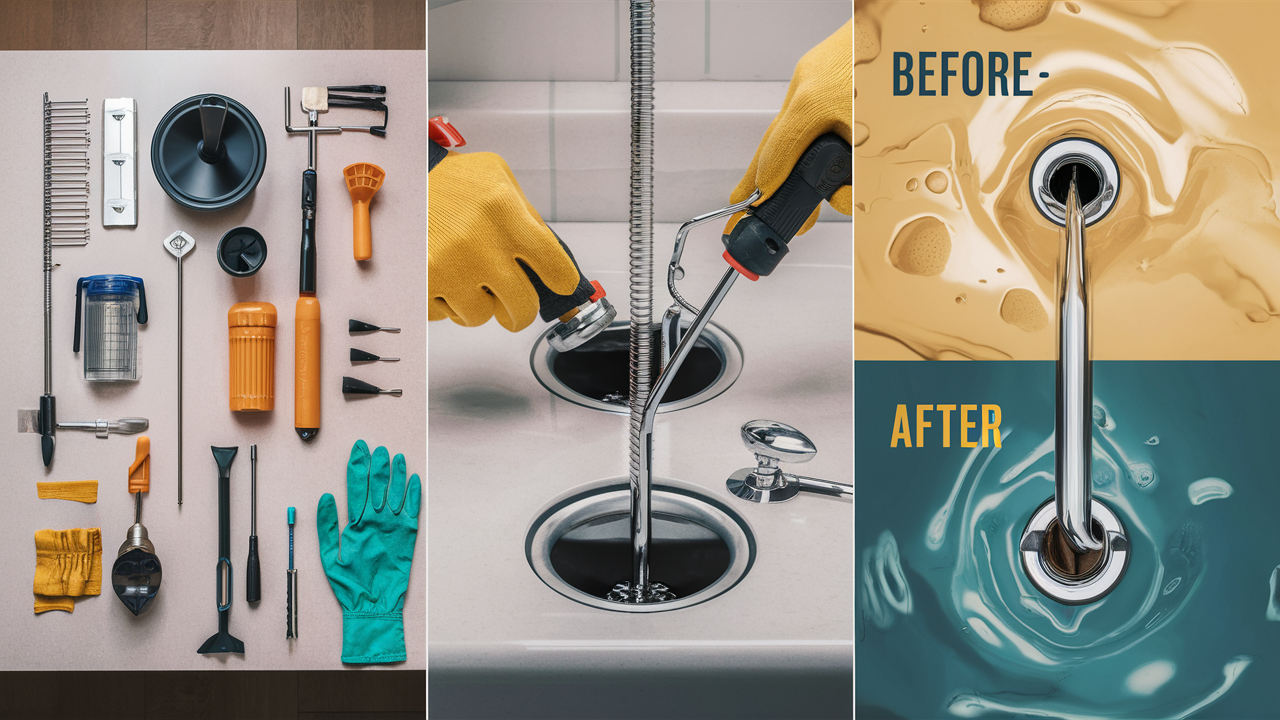
A clogged drain is one of the most common household plumbing problems homeowners face. Whether it occurs in the kitchen sink, bathroom sink, shower, bathtub, or utility room, a blocked drain can quickly become frustrating and inconvenient. Water may drain slowly, unpleasant odors may develop, and in severe cases standing water can accumulate, making daily activities difficult. Fortunately, learning how to unclog a drain is a practical skill that can save both time and money while helping maintain a healthy plumbing system.
Many drain blockages are caused by everyday materials such as hair, soap residue, grease, food particles, toothpaste, and other debris that gradually accumulate inside pipes. While professional plumbing services are sometimes necessary for severe issues, many clogs can be removed using simple tools and household ingredients. Understanding the causes of clogged drains and knowing which techniques to apply can help restore proper water flow quickly and safely. This comprehensive guide covers the most effective methods for unclogging drains, preventing future blockages, and maintaining efficient plumbing throughout the home.
Understanding Why Drains Become Clogged
Before attempting to clear a blockage, it is important to understand why drains clog in the first place. Every drain in a home handles different types of waste materials, which means the causes of clogs can vary depending on location.
Kitchen sinks commonly become clogged due to grease, cooking oils, food scraps, coffee grounds, and soap residue. Over time, these substances stick to pipe walls and gradually restrict water flow.
Bathroom drains often accumulate hair, soap scum, toothpaste, shaving cream, and cosmetic products. Hair is particularly problematic because it combines with soap residue to form stubborn blockages.
Shower and bathtub drains typically experience similar issues, with hair and personal care products creating dense clumps inside pipes.
Recognizing the likely cause of a clog helps determine the most effective removal method.
Signs That Your Drain Is Clogged
A drain rarely becomes completely blocked without warning. Several signs often indicate that a clog is developing.
One of the earliest symptoms is slow drainage. Water may take longer than usual to disappear after washing dishes, brushing teeth, or showering.
Gurgling sounds coming from drains may indicate trapped air caused by a partial blockage.
Unpleasant odors are another common sign. Food particles, grease, soap residue, and organic material trapped in pipes can begin decomposing and producing foul smells.
In more advanced cases, water may back up into sinks, tubs, or showers. Addressing these issues early can prevent more serious plumbing problems.
Safety Precautions Before Unclogging a Drain
Before attempting any drain cleaning method, basic safety precautions should be followed.
Wear rubber gloves to protect your hands from bacteria and debris. Safety glasses can help prevent accidental splashes from reaching your eyes.
Avoid mixing chemical drain cleaners with other cleaning products, as dangerous reactions may occur. If chemical cleaners have already been used, exercise extra caution before trying alternative methods.
Ensure adequate ventilation when working with cleaning products and always follow manufacturer instructions for any tools or materials used.
Method 1: Using Boiling Water
One of the simplest ways to unclog a drain is by using boiling water. This method works particularly well for grease and soap buildup.
Bring a pot of water to a rolling boil. Carefully pour the hot water directly into the drain in stages rather than all at once. Allow the water to work through the blockage between pours.
The heat can help dissolve grease deposits and loosen debris attached to pipe walls. For minor clogs, boiling water may completely restore normal drainage.
However, avoid using boiling water on certain plastic pipes if manufacturer recommendations advise against extreme temperatures.
Method 2: Baking Soda and Vinegar
The combination of baking soda and vinegar remains one of the most popular natural drain-cleaning solutions.
Start by pouring approximately one-half cup of baking soda into the drain. Follow this with one cup of vinegar. The mixture will create a fizzing reaction that helps break apart organic material and loosen buildup.
Allow the solution to sit for at least thirty minutes. For tougher clogs, leaving it overnight may provide better results.
Afterward, flush the drain with hot water to remove loosened debris and restore proper flow.
This method is environmentally friendly and safe for routine maintenance.
Method 3: Using a Plunger
A plunger is one of the most effective tools for removing drain blockages.
Fill the sink or tub with enough water to cover the plunger’s rubber cup. Position the plunger directly over the drain opening to create a tight seal.
Use firm, consistent plunging motions to generate pressure within the pipe. The force created can dislodge blockages and move them through the plumbing system.
After several plunges, remove the plunger and test drainage. Repeat as necessary until water flows freely.
Method 4: Removing and Cleaning the Drain Stopper
Many clogs form directly beneath drain stoppers.
Carefully remove the stopper according to its design. Hair, soap residue, and debris often become trapped around these components.
Use gloves or a small cleaning tool to remove accumulated material. Rinse the stopper thoroughly before reinstalling it.
In many cases, cleaning the stopper alone can dramatically improve drainage performance.
Method 5: Using a Drain Snake
For deeper blockages, a drain snake is often the most effective solution.
Insert the flexible cable into the drain opening and slowly advance it through the pipe. When resistance is encountered, rotate the handle to break up or capture the clog.
Continue feeding and rotating the cable until the blockage is removed. Withdraw the snake carefully and dispose of any debris attached to it.
Flush the drain with hot water afterward to ensure complete removal of remaining material.
Drain snakes are particularly useful for hair clogs and stubborn blockages beyond the reach of simple cleaning methods.
Method 6: Cleaning the P-Trap
The P-trap is the curved section of pipe located beneath sinks. It often collects debris and becomes a common location for blockages.
Place a bucket beneath the trap before loosening the connections. Remove the trap carefully and inspect it for debris.
Clean the interior thoroughly before reinstalling it securely. Run water through the drain to verify proper operation.
This method may require basic plumbing knowledge but can effectively eliminate stubborn sink clogs.
Common Mistakes to Avoid
Many homeowners make mistakes that can worsen drain problems.
Using excessive amounts of chemical drain cleaner may damage pipes over time and create safety hazards.
Ignoring slow drains allows minor clogs to develop into severe blockages.
Forcing inappropriate objects into drains can damage plumbing components and make removal more difficult.
Regular maintenance and prompt action are far more effective than waiting until a complete blockage occurs.
Preventing Future Drain Clogs
Prevention is always easier than repair.
Install drain screens to capture hair, food particles, and debris before they enter pipes. Avoid pouring grease, oils, and fats down kitchen drains.
Flush drains periodically with hot water to help remove developing buildup. Regular use of baking soda and vinegar can also support routine maintenance.
Educating household members about proper drain usage reduces the likelihood of recurring problems and extends the life of plumbing systems.
When to Call a Professional Plumber
Although many clogs can be resolved with DIY methods, some situations require professional assistance.
Repeated blockages, multiple clogged drains, sewage odors, and water backing up throughout the home may indicate more serious plumbing issues.
Professional plumbers possess specialized equipment such as motorized drain augers and camera inspection systems that can identify and resolve complex problems efficiently.
Seeking professional help when necessary can prevent costly damage and ensure long-term plumbing reliability.
Conclusion
Learning how to unclog a drain is an essential home maintenance skill that can save money, reduce frustration, and keep plumbing systems functioning efficiently. Whether using boiling water, baking soda and vinegar, a plunger, a drain snake, or cleaning the P-trap, many common blockages can be resolved without professional assistance. Understanding the causes of clogs, applying the correct removal techniques, and practicing regular maintenance are the keys to maintaining healthy drains. By taking preventative measures and addressing issues early, homeowners can enjoy reliable plumbing and avoid many common drainage problems.
Frequently Asked Questions (FAQ)
What is the easiest way to unclog a drain?
Boiling water is often the easiest method for minor clogs caused by grease or soap buildup.
Does baking soda and vinegar really unclog drains?
Yes, this natural combination can help loosen organic material and remove minor blockages.
Can I use a plunger on a sink drain?
Yes, plungers are highly effective for many sink, tub, and shower drain clogs.
What causes most drain clogs?
Hair, grease, soap scum, food particles, and debris are among the most common causes.
Are chemical drain cleaners safe?
Occasional use may be effective, but excessive use can damage pipes and create safety concerns.
How often should drains be cleaned?
Routine maintenance every few months can help prevent significant blockages.
When should I use a drain snake?
A drain snake is useful when plunging and natural cleaning methods fail to remove a blockage.
When should I call a plumber?
Contact a plumber if multiple drains are clogged, sewage odors are present, or recurring blockages continue despite cleaning efforts.
